Street Journal Multimedia Services

Region 5

Robredo eyes sports development, backs grassroots initiatives

Region 5

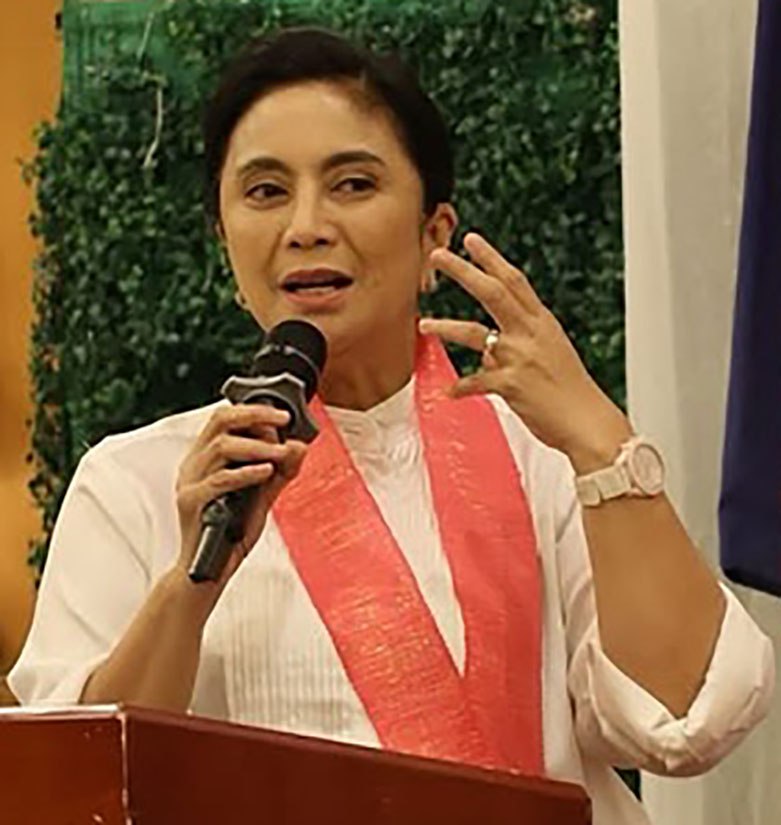
By Maida Boragay   NAGA CITY, Philippines — Mayor Leni Robredo is setting her sights on bolstering the city’s sports programs, particularly focusing on grassroots development. Robredo, during a press briefing held on Monday, August 4, said that her team is currently studying ways to provide more support for local athletes and is exploring the effective use of the Special Education Fund (SEF) to achieve this goal. She noted that with the absence of a structured sports program, it is now an ideal time to create one. “Pig-aadalan ta si utilization kang SEF ngunyan, ta ang sports kaya under siya sa education. Gusto ta sana grassroots ang pagdevelop,” she said, emphasizing her commitment to building a strong foundation for sports from the ground up. The sports development also aligns with the upcoming completion of the renovated Jesse M.Robredo (JMR) Coliseum next year. To help with this initiative, the mayor has tapped sports consultants Noli Ayo and Francis Barja to craft a comprehensive sports program. She is scheduled to meet with Ayo next week to further discuss the initiative. The mayor also praised the successful sports initiatives in Pasig City, expressing her hope that Naga will be able to replicate a similar level of achievement in its own sports programs. “Sa hiling ko kaya ta din dawa dae kita kasing yaman, basta magamit lang ang pondong mas maray,” she said.                  

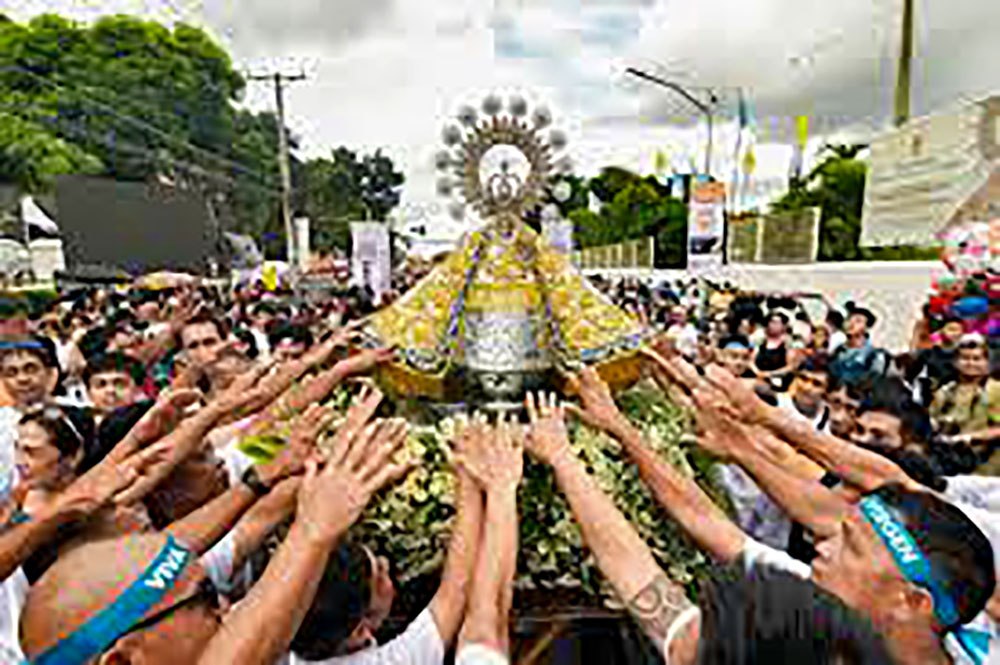
Peñafrancia Fiesta 2025 to push through with re-activation of Joint Operations Center

Region 5

NAGA CITY, Philippines — The City Government of Naga once again activated the Peñafrancia Joint Operations Center (PJOC) to ensure the smooth, secure, and solemn observance of the upcoming Peñafrancia Fiesta, one of Southeast Asia’s largest Marian festivals, drawing over a million devotees, pilgrims, tourists, members of the clergy, and government officials. Mayor Leni Robredo issued Executive Order No. 020 reactivating the PJOC, which will serve as the central hub for coordination, communication, and control throughout the month-long religious celebration this September. “The PJOC is reactivated because of the risks involved in the influx of visitors and pilgrims,” Robredo said, as she emphasized the need for an effective and efficient system to manage command, coordination, collaboration, and communication during the festivities. The Peñafrancia Fiesta, traditionally hosted in Naga City as the convergence zone of devotion to Our Lady of Peñafrancia, is regarded as the fiesta of the entire Bicol Region. Its national significance was recognized through Presidential Executive Order No. 33, series of 2010, which declared Naga as the Pilgrimage Capital of the Philippines. The directive also mandates that all activities during the festival must be conducted in an atmosphere of peace and solemnity with full government support. The PJOC will serve as a centralized focus of authority and information to ensure proper coordination among deployed personnel, prioritize resource allocation, and evaluate the need for additional support through mutual aid. The executive order details a comprehensive organizational structure for the operations center, including the appointment of Joint Operations Center Responsible Officers, the Joint Operations Center Executive Committee, and the Inter-Agency Task Groups, all of whom are tasked with safeguarding the integrity, order, and spiritual character of the annual event. | via Jason B. Neola  

Naga sets stage for community-led housing projects under CMP

Region 5

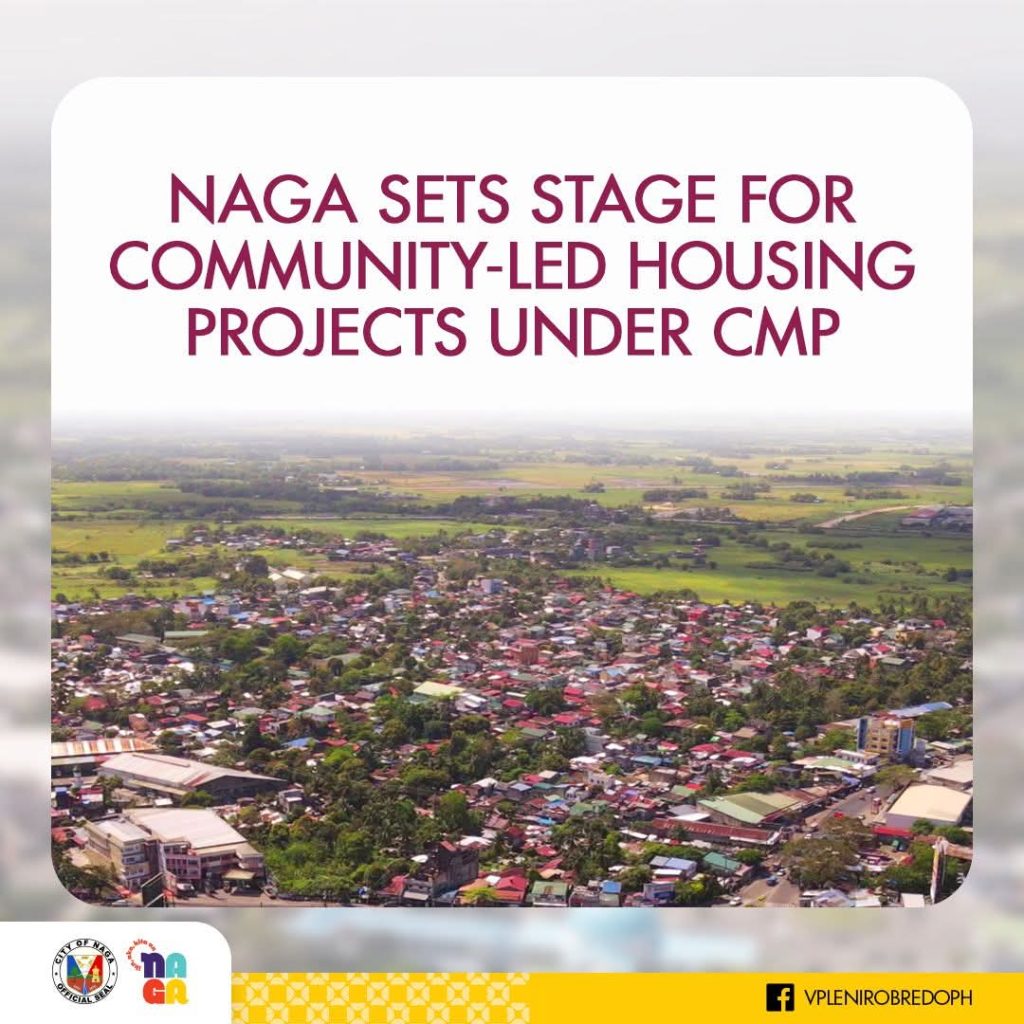
In line with Mayor Leni Robredo’s directive to strengthen Naga City’s housing program as part of her 2028 Finish Line roadmap, the Housing and Settlements Development Office (HSDO) has initiated steps to implement the Community Mortgage Program (CMP), a government-backed, people-led housing finance initiative. HSDO Department Head Engr. Rolando Campillos has begun a series of preparatory meetings and coordination activities with Mr. Will Peran of the Social Housing Finance Corporation (SHFC), the national agency tasked to implement the CMP. The Community Mortgage Program is designed to assist legally organized homeowners associations composed of low-income groups in acquiring and developing land under the concept of community ownership. Through the program, beneficiaries are given access to affordable financing to purchase and improve their housing sites, eventually leading to secure land tenure and upgraded living conditions. As part of the city’s efforts to roll out the CMP, two homeowners associations—Sitio Sto. Niño Homeowners Association in Sabang and Mabolo Homes Subdivision Homeowners Association in Barangay Mabolo—underwent initial orientation sessions on July 17 and 18, respectively. These sessions introduced the core principles, processes, and benefits of the program to prospective beneficiaries. The city government is hopeful that the CMP will accelerate its goal of inclusive and community-driven shelter development for Nagueños, especially those belonging to vulnerable and informal settler sectors. | via Jason B. Neola  

Robredo creates TWG to overhaul city’s fleet management system

Region 5

NAGA CITY — The city government under Mayor Leni Robredo is taking steps to tighten oversight and improve efficiency in managing its fleet of vehicles, particularly in areas of fuel consumption and maintenance. Through Executive Order No. 017, Robredo created a Technical Working Group (TWG) tasked to assess the city’s existing fleet management system and propose measures to make it more accountable, cost-effective, and sustainable. The TWG is mandated to conduct a thorough assessment of the city’s current vehicle inventory, including distribution, usage, and maintenance practices. It is also expected to recommend improvements to streamline operations and reduce unnecessary spending. One of the group’s key deliverables is the drafting of a Fleet Management Manual that will establish policies, procedures, and oversight mechanisms for the centralized management of all city-owned vehicles. The TWG is given 45 days from the issuance of the order to submit a comprehensive report, including the proposed manual, to the Office of the City Mayor. Mayor Robredo emphasized that effective planning and stricter controls are crucial in ensuring that government resources are maximized to serve the public better. | via Jason B. Neola

Robredo, city planners to push for holistic revamp; esplanade, traffic solutions, and facility rationalization in focus

Region 5

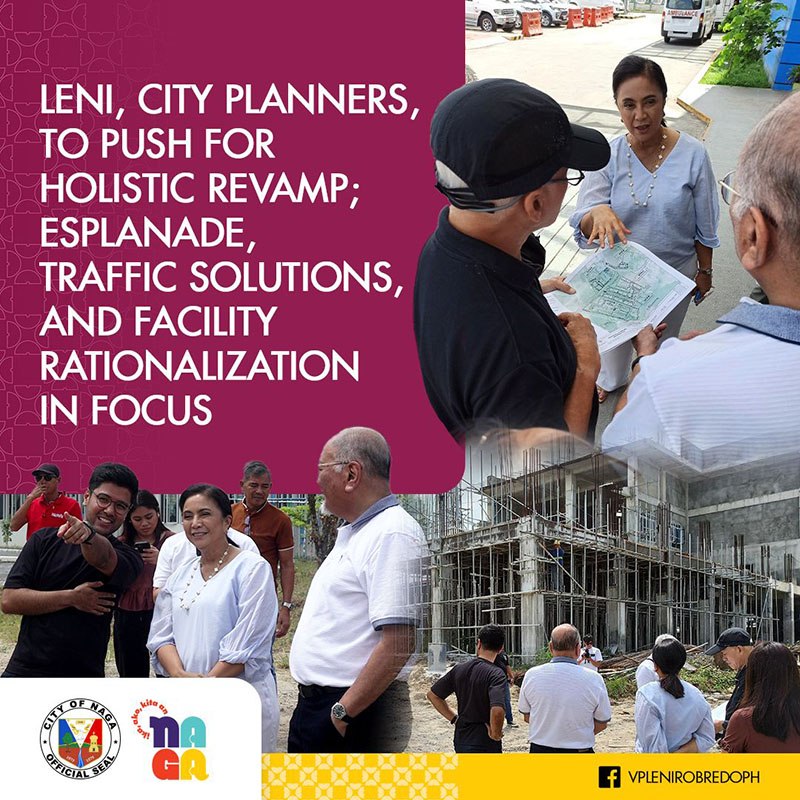
To address longstanding urban challenges in Naga, Mayor Leni Robredo has tapped a team of Manila-based urban planners to help rationalize the use of city-owned facilities, manage traffic congestion, and bring order to public spaces, especially those now heavily occupied by roadside vendors. “We need to make sure that every government facility is properly organized so their efficiency is not hampered. Right now, we are facing issues brought by disorganized parking, uncontrolled/unregulated street vending, traffic congestion, and newly constructed buildings that were not developed under a comprehensive plan,” Robredo said. The mayor and the urban planning team began their site inspections on Friday, July 11, starting at the Naga City General Hospital (NCGH), where they assessed the layout and functionality of buildings within the Balatas Development Complex. Hospital staff showed them the location of the Outpatient Department (OPD), which is situated more than a hundred meters from the hospital’s main building. Robredo noted the inefficient setup, pointing out that the OPD’s distance from the main hospital building inconveniences patients, especially during inclement weather, and affects the overall service delivery. She added that food from the hospital kitchen—located separately—is currently being transported by carts, a practice deemed unacceptable by the urban planners. “This is why we are pushing for rationalization in how these buildings are used. Every structure here should complement the others so that all offices and services function seamlessly,” Robredo stressed. The team also visited Liboton Street, a four-lane stretch being considered as a pilot area for a new street design focused on pedestrian and bicycle mobility. Robredo said the proposed layout, being finalized in coordination with the Department of Public Works and Highways (DPWH), will dedicate more space to walkways and bike lanes—an initiative aimed at promoting alternative mobility and easing vehicular traffic in the city. “The design will encourage more people to walk and use bicycles. That means less traffic congestion and a healthier lifestyle for our citizens,” she said. The final stop of the site inspection was Barangay Dinaga, where the elevated Naga River Esplanade will soon rise. The esplanade, stretching from Danlugan near the Naga City People’s Mall to Panganiban Bridge and further to Magsaysay Bridge near the Peñafrancia Basilica, is set to begin construction with Phase 1 funding already downloaded. Mayor Robredo emphasized that the esplanade will not only boost local tourism and provide scenic, shaded walking paths lined with trees—it will also double as a flood control measure. Once completed, the four-phase project will allow pedestrians to travel a long stretch from downtown to the Basilica without using congested main roads. “This will encourage more people to walk, and walking is one of the best and healthiest habits we can promote in a growing city like ours,” she said. Robredo said she is awaiting detailed recommendations from the urban planners, which will guide the city government in crafting long-term solutions to urban congestion and facility planning. | via Jason B. Neola

Robredo reconstitutes NCSB with private sector, civil society membership

Region 5

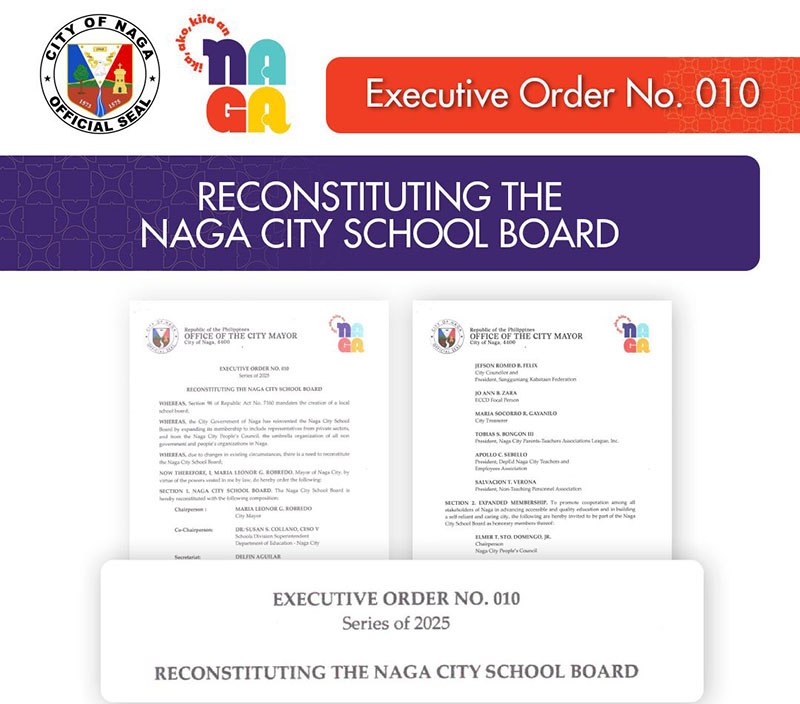
In a move to make education governance in the city more inclusive and participatory, Mayor Maria Leonor “Leni” G. Robredo has reconstituted the Naga City School Board (NCSB) through Executive Order No. 010, series of 2025, which she signed on July 8, 2025. The reconstitution, according to the mayor, is prompted by changing circumstances that call for a broader and more collaborative approach to education development. The order highlights the city government’s thrust to reinvent the NCSB by expanding its membership to include representatives from the private sector and the Naga City People’s Council (NCPC)—the umbrella organization of all non-government and people’s organizations in the city. Under the new composition, Mayor Robredo serves as chairperson of the school board, with Dr. Susan S. Collano, the schools division superintendent, as co-chairperson. Delfin Aguilar, administrative officer of the Education, Scholarships, and Sports Office (ESSO), sits as secretariat. Other members of the board include: City Councilor David Casper Nathan Sergio, chairperson of the SP Committee on Education; City Councilor Jefson Romeo Felix, president Sangguniang Kabataan Federation; City Treasurer Maria Socorro Gayanilo; Tobias Bongon III, president of the Naga City Parents-Teachers Associations League, Inc.; Apollo Sebello, president of the DepEd Naga City Teachers and Employees Association, and Salvacion Verona, president of the Non-Teaching Personnel Association. In recognition of the role of civil society in education, the executive order also invites Elmer T. Sto. Domingo, chairperson of the NCPC, to join the board as an honorary member. His inclusion aims to further promote cooperation among all education stakeholders in advancing accessible, quality education and building a self-reliant and caring Naga City. | via Jason B. Neola

Mayor Leni eyes installation of hydrants in inaccessible areas

Region 5

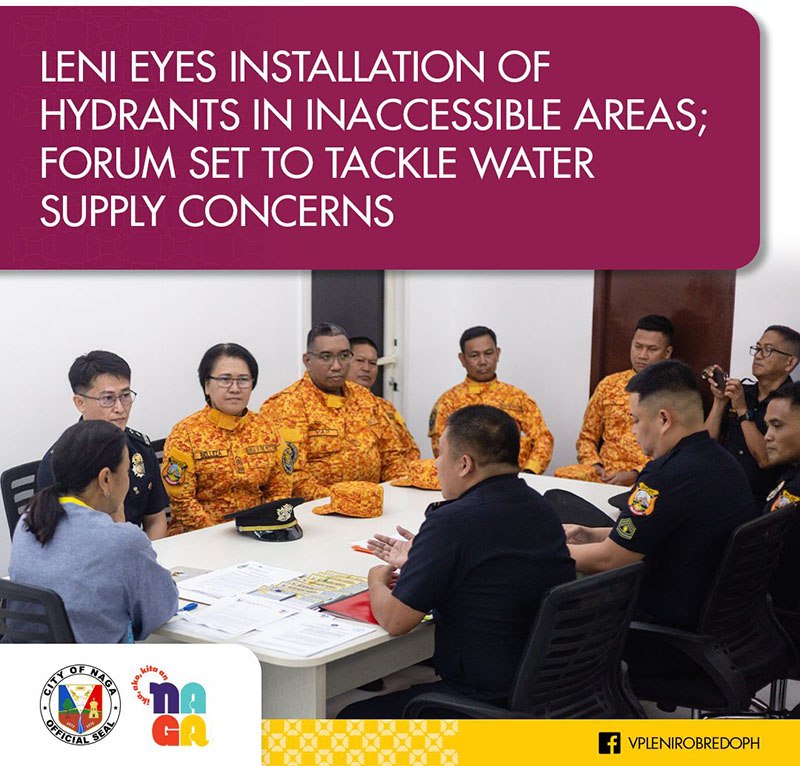
Forum set to tackle water supply concerns   The city government has identified sitios and zones in all 27 barangays that are currently inaccessible to fire trucks and urgently need the installation of water hydrants to ensure quicker response to fire incidents. Mayor Leni Robredo disclosed that the Bureau of Fire Protection (BFP) has expressed support for the proposed measure, but raised the issue of water availability. According to the BFP, several existing hydrants in the city do not release water — a gap that undermines firefighting efforts. The mayor cited the recent fire incident on July 8, 2025 in Villa Robredo, Barangay Sabang, where the fire hydrant in the community failed to function. This, she said, underscored the urgency of resolving the issue on water supply and infrastructure. In response, Mayor Robredo is convening a forum next Monday or Tuesday to be attended by the city’s 27 Punong Barangays and the management of the Metro Naga Water District (MNWD). The forum will focus on the status and updates of MNWD’s water development projects and aims to promote a transparent discussion about the water shortage that continues to affect the city. “It is important for our community officials and residents to understand the cause of the water shortage and how long it is expected to last,” Robredo said, emphasizing that MNWD must clearly communicate with the appropriate agencies — whether national or local — to identify what assistance is needed. The mayor stressed that the forum is being organized to foster “healthy exchanges of ideas and information” among stakeholders, in order to help resolve the issue of water shortage, especially as it relates to disaster preparedness. She added that the city government is open to providing support and may also lobby the national government for funding assistance based on the outcome of the discussions. “The forum will guide us in determining what kind of support we can extend to address the water supply concern — and how we can coordinate with the national government to tap additional resources,” Robredo said. | via Jason B. Neola      

Naga City eyes detention ponds to address flooding issues

Region 5

In a proactive move to address persistent flooding, the city government of Naga is considering the construction of at least six detention ponds aimed at preventing sudden surges in the city’s storm drains and the Naga River. The plan, which was proposed by a team of urban planners invited by Mayor Leni Robredo, is part of a comprehensive flood control initiative being studied to mitigate the city’s vulnerability to floods. The urban planners are scheduled to return to Naga on Thursday, July 10, to conduct further studies on the city’s water outflow systems and topography. Mayor Robredo said the detention ponds will be strategically located, beginning from elevated areas and moving down toward the lower parts of the city. The concept involves temporarily storing stormwater in large containment areas and gradually releasing it once floodwaters in flood-prone barangays subside. The first site identified for a detention pond is an area adjacent to the Metro Naga Sports Complex in Barangay Pacol. Robredo disclosed that the city is now in the process of identifying the landowner for possible land donation to jumpstart the project. The initiative is not new. Robredo had already submitted the plan to the National Economic and Development Authority (NEDA) in November last year, citing the significant cost involved. “We see an amount of P200 million for one, while there are detention ponds that may cost more than a hundred million pesos,” she said. Given the high cost, the city has sought financial support from NEDA and other national government offices. Robredo also reached out to Regional Development Council (RDC) Chairperson Ricarte “Dong” Padilla, who is also governor of Camarines Norte, to help source funding for the project. “These ponds will be the size of big swimming pools,” Robredo explained, noting that the city cannot shoulder the cost alone. The mayor’s plan is seen as a local counterpart to the national government’s Bicol River Basin Development Program. However, Robredo pointed out that the national project appears far from implementation. “That cannot be seen happening in the near future” she said. Recognizing that Naga serves as a catch basin for floodwaters coming from neighboring towns, Robredo remained optimistic. “It’s not to say that we cannot resolve the problem,” she stressed. “We have a lot of things we can do — let’s fix our water outflows, the city’s drainage systems, let’s establish detention ponds — and I swear we can see good results.” | via Jason B. Neola

Leni institutionalizes “2028 Finish Lines” as Naga’s dev’t framework

Region 5

Affirming the city government’s role as a catalyst for local development and steward of public welfare, Mayor Leni Robredo has signed Executive Order No. 003, series of 2025, institutionalizing the “2028 Finish Lines” as Naga’s strategic development framework. The directive seeks to align all plans, programs, and resources of the city government with the 2028 Finish Lines — a set of thematic goals aimed at driving inclusive and sustainable progress in the next three years. Robredo cited City Ordinance No. 2017-072, or the People’s Budget Ordinance of Naga City, as one of the bases for her directive. The ordinance institutionalized participatory budgeting and full-cycle transparency in the crafting and monitoring of the city’s annual appropriations. It ensures that public funds are allocated in response to the identified needs and priorities of the Nagueño community, anchored on people-centered governance. The 2028 Finish Lines outline the city’s strategic aspirations across eight thematic outcome areas: Economic Inclusion, Environmental Sustainability, Mobility and Order, Health, Education and Well-Being, Heritage and Identity, Digital Governance, Good Governance Innovation, and Local Government Efficiency. The framework was developed through a data-driven, consultative process that engaged Naga City’s 27 barangays, sectoral groups, civil society organizations, the academe, the private sector, and elected officials. It is designed to align with the Philippine Development Plan, the United Nations Sustainable Development Goals, and the long-term national vision, AmBisyon Natin 2040. The executive order also mandates all departments, offices, and units of the city government of Naga to align their annual and multi-year development plans, investment programs, performance targets, and budgets with “2028 Finish Lines.” These include, but are not limited to: The comprehensive Land Use Plan (CLUP), City Development Plan (CDP), Executive-Legislative Agenda (ELA), The Annual Investment Plan (AIP), and the Local Budget Preparation (LBP) Forms. | via Jason B. Neola

Scroll to Top