Street Journal Multimedia Services

Region 5

MRO5 conducts SPMS, GAD mid-year Performance Assessment and Planning Conference

Region 5

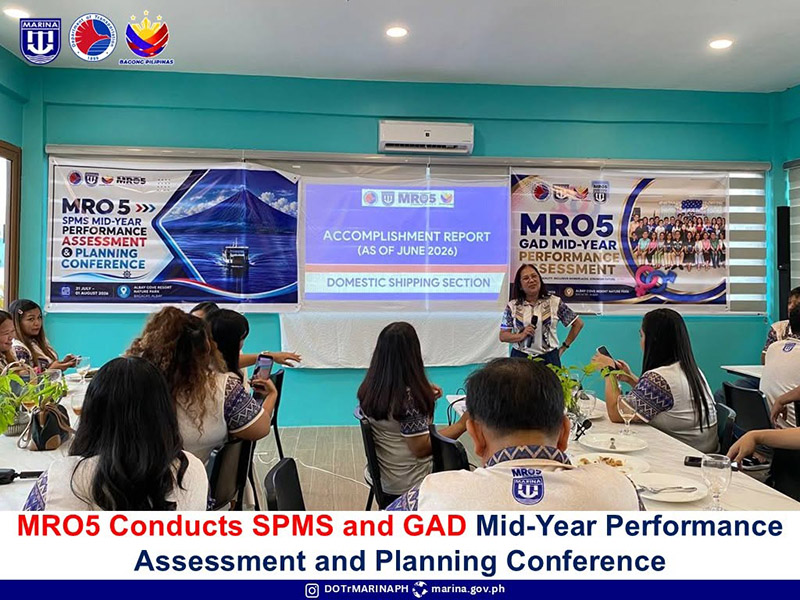
  Bacacay, Albay, Philippines — The Maritime Regional Office V (MRO5) conducted its SPMS and GAD Mid-Year Performance Assessment and Planning Conference on 31 July–01 August 2026 to assess the office’s accomplishments and performance during the first half of CY 2026. The conference featured presentations by the respective section heads on the physical targets and accomplishments of various MRO5 sections, as well as discussions on financial performance, fund utilization, the 2026 National Expenditure Program (NEP), and the amended OPCR for CY 2026. The afternoon session focused on Gender and Development (GAD) accomplishments and initiatives. The activity concluded with a solidarity message from Regional Director Jeffrey A. Bangsa, emphasizing accountability, teamwork, and commitment to achieving organizational targets. The conference also strengthened coordination among MRO5 personnel and set clear priorities for the second half of CY 2026 toward the delivery of responsive and quality maritime services.

PH seen to produce more seaweed as DA operates bioreactor

Region 5

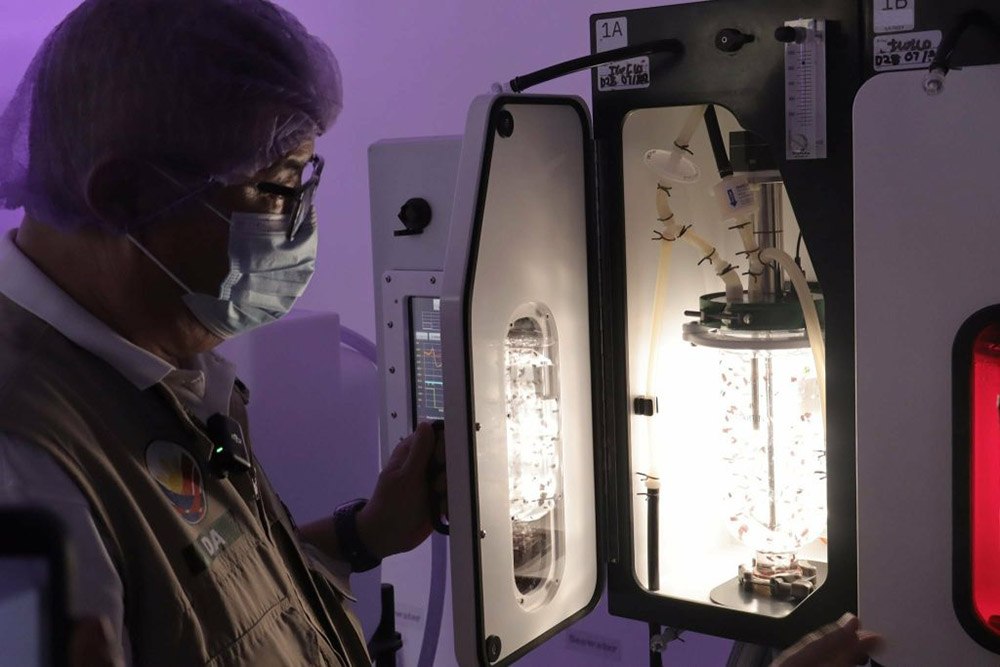
By Benilda Recebido   SORSOGON CITY, Sorsogon, Philippines — Agriculture Secretary Francisco Tiu Laurel Jr. inspected the country’s seaweed bioreactor facility at the Bureau of Fisheries and Aquatic Resources-National Seaweed Technology Development Center (BFAR-NSTDC) in Barangay Cabid-an, Sorsogon City on Monday, July 20. During his visit, the agriculture chief emphasized that the project aligns directly with President Ferdinand ‘Bongbong’ Marcos Jr.’s directive to invest heavily in the seaweed sector, which remains one of the country’s top fisheries exports. The newly established bioreactor project is designed to resolve the industry’s chronic shortage of high-quality planting materials. The facility, which began operating in March this year, houses a huge 1,250L photobioreactor system explicitly optimized for macroalgae use. It operates around the clock to generate culture materials without relying on seasonal weather patterns. According to Tiu Laurel, once fully operational, the facility will break away from traditional production constraints. The facility will mass-produce premium planting materials 24 hours a day using advanced cultivation techniques,” he said. “Its production capacity will jump tenfold compared to traditional methods, which are capped at just 10 tons per month, and we target a 95 percent survival and growth rate for distributed seedlings, a massive improvement from the historical 60 percent to 70 percent success rate that often led to wasted labor for farmers,” he added. According to Tiu Laurel, the Philippines has only scratched the surface of its marine potential. “While the local industry currently relies on just five commercially viable seaweed varieties, hundreds of other types remain vastly untapped,” he said. The Sorsogon research facility will use its new machinery to accelerate research and development. Scientists will now have the technology to cross-breed species and develop high-yielding hybrids. Also, the DA plans to expand seaweed utilization beyond food, exploring its high-value applications in pharmaceuticals and industrial sectors, and eventually, to position the Philippines as the global leader in seaweed production. The project operates under the direct supervision of the DA and its attached bureau, the BFAR. Laurel noted that securing high-quality planting materials is the most critical component needed to revitalize local aquaculture. “We are on the way to making our seaweed industry number one in the world,” Laurel stated, affirming the government’s commitment to empowering local seaweed farmers and maximizing the country’s marine economy. (Raiza Lucido contributed to this report/PIA Bicol/Sorsogon)

Declining Mayon activity not enough to lower alert level — Phivolcs

Region 5

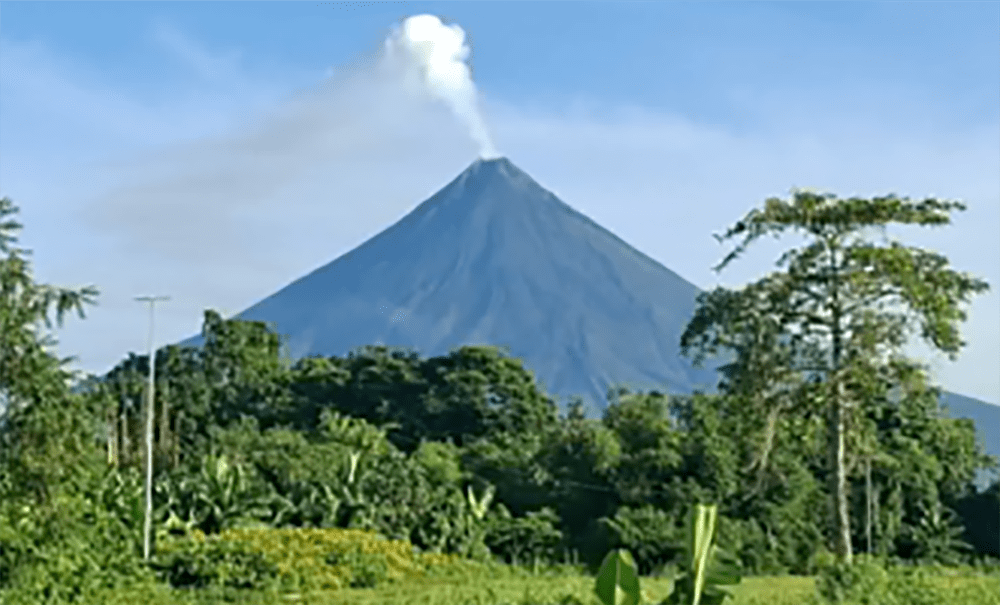
By Marlon Atun   LEGAZPI CITY, Philippines — The Philippine Institute of Volcanology and Seismology (Phivolcs) has maintained Mayon Volcano at Alert Level 3, as recent decreases in volcanic activity are insufficient for a downgrade. Dr. Paul Karson Alanis, senior science research specialist of Phivolcs, said that despite observing a downward trend over the past two weeks, most monitored parameters still meet Alert Level 3 conditions. “As of July 29, the volcano is still effectively at ‘Day 0’ in terms of meeting the requirement for a sustained decline,” Alanis explained, referring to the agency’s protocol requiring at least two consecutive weeks of consistent decrease in key parameters before lowering the alert level. Phivolcs noted that earlier increases in seismic activity—particularly volcano-tectonic earthquakes recorded in Sto. Domingo and Bacacay, Albay—contributed to heightened unrest, including episodes of strombolian activity, lava fountaining, intensified rockfalls, and elevated sulfur dioxide (SO₂) emissions. At its peak, SO₂ emissions reached approximately 13,128 tonnes per day, the highest recorded in the past 26 years. In recent days, however, volcanic activity has shown signs of easing, including reduced seismicity and the absence of the rumbling sounds previously heard within several kilometers of the crater. Alanis clarified that these sounds were associated with strombolian eruptions—named after Italy’s Stromboli Volcano—which produce cannon-like bursts, as well as increased rockfall events. Despite these improvements, Phivolcs emphasized that alert level downgrading is not automatic. The agency continues to implement a “stand-down” procedure, which carefully evaluates multiple parameters such as sulfur dioxide emissions, ground deformation, volcanic earthquakes, rockfall events, pyroclastic density currents (PDCs), plume activity, lava fountaining, and ongoing lava effusion. “While we are seeing a declining trend, it is not yet sufficient to justify lowering the alert level,” Alanis said. Since the onset of the current eruption, Mayon has produced an estimated 88 million cubic meters of volcanic materials, including lava, ash, gases, and pyroclastic flows. These deposits remain on the upper slopes and pose significant hazards, particularly within the 6-kilometer permanent danger zone (PDZ). Phivolcs warned that these materials are unstable and highly erodible. Even without active eruptions, they may collapse and generate PDCs and ash clouds. Additionally, loose and still-hot volcanic debris may trigger dangerous lahars during heavy rainfall, threatening communities along river channels. As of July 29, Phivolcs recorded four volcanic earthquakes, 10 rockfall events, two PDCs, and sulfur dioxide emissions of 1,318 tonnes per day. Authorities continue to urge the public to strictly avoid entry into the 6-km PDZ and to remain vigilant against secondary hazards such as ashfall and lahars as Mayon remains under Alert Level 3. (PIA Bicol)                      

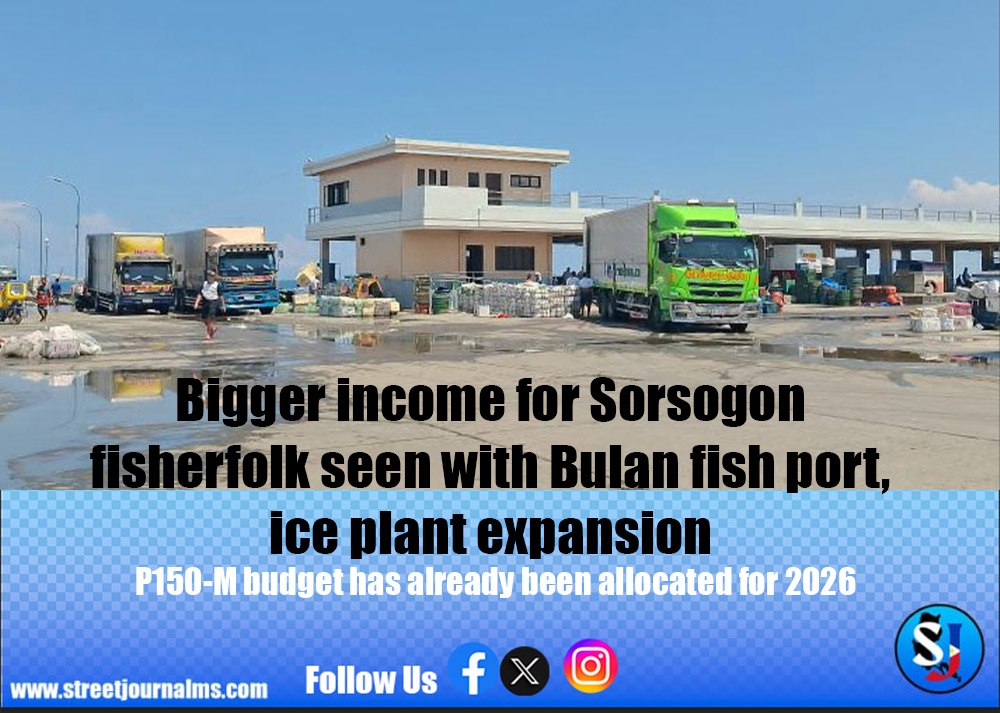
P150-M allocated for Bulan Fish Port, Ice Plant expansion

Region 5

By Marlon Atun   LEGAZPI CITY, Philippines — For years, fisherfolk in Bulan, Sorsogon, have faced a common challenge: abundant catches during peak seasons but limited space, insufficient ice supply, and significant post-harvest losses that affect their income greatly. The inadequate supply of ice and lack of cold storage facilities compel many fishermen to either sell their catch at lower prices or discard unsold fish before they reach the market. This unfortunate situation is now set to change. During an on-site visit and dialogue with fisherfolk and stakeholders at the Bulan Fish Port, Agriculture Secretary Francisco Tiu Laurel Jr. announced the approval of a major expansion of the facility, transforming its current size from 1.8 hectares into a five-hectare modern fish port complex. “From the current 1.8 hectares, this will expand to 5 hectares. We will establish a smokehouse, a fish dryer, and a fishmeal plant here in Bulan,” Tiu Laurel said in Filipino. “This is no longer just a plan; we are going to make it happen. We will fund this initiative,” he added, emphasizing that the project aligns with President Ferdinand “Bongbong” Marcos Jr.’s goal of uplifting fishing communities and strengthening local food systems. He continued, “Let’s help the President monitor the construction and completion of this project because it is for you.” “The President is focused on your needs,” Tiu Laurel told the fisherfolk. “Just a little more time, and you will see the change—this project will strengthen your livelihoods.” The expansion, estimated to cost P800 million, includes the construction of key post-harvest and value-added facilities, such as a smokehouse, a fish dryer, and a fishmeal plant. An initial P150 million has already been allocated for 2026, and the remaining funds have been approved for rollout before 2028. For the fisherfolk, the impact goes beyond just infrastructure. A larger port means faster unloading of catches, reduced congestion, and decreased spoilage—issues that have long affected Bulan’s fishing industry. “When the port is more spacious, transactions will be quicker, and the quality of the fish will improve,” said BFAR Bicol Regional Director Ariel Pioquinto. “This will significantly strengthen our post-harvest programs and help ensure better prices for our fisherfolk,” he said. Complementing the port expansion is a strengthened cold chain system. A newly completed ice plant and storage facility, with a capacity of 60 metric tons, built by the Philippine Fisheries Development Authority (PFDA), became fully operational in July 2026. The facility can produce ice within 24 hours and is equipped with a standby generator to ensure continuous operation, even during power outages, according to Romy Escandor, PFDA Bulan Port Manager. Ice blocks will be sold at P150 per 50-kilogram block, providing affordable access to preservation materials for fisherfolk, Escandor said. Recognizing seasonal demand—particularly during peak tamban fishing months—Tiu Laurel announced plans to install an additional ice plant and deploy break ice machines to augment supply immediately. After the expansion, it is expected to provide up to 100-120 metric tons of ice production per day during peak season. “Our goal is that 90 to 95 percent of the catch is properly iced and preserved, to minimize spoilage,” Tiu Laurel stated. “The Philippine Fish Port Development Authority (PFDA), as a government-owned and controlled corporation under the Department of Agriculture, will manage the operations of the fish port and related projects in Bulan,” said Glenn Panggpalan, the PFDA General Manager. For local fisherfolk like Joel Hona, chairperson of the Municipal Fisheries and Aquatic Resources Management Council, this development addresses a long-standing issue. “In the past, fish were being thrown away because there was a shortage of ice. When ice is scarce, prices drop,” Hona explained. He also mentioned that congestion at the port posed safety risks. “When boats arrive simultaneously, accidents occur due to the crowded berthing area,” Hona added. “Now, the ice plant is a significant help in ensuring that the catch won’t go to waste,” he said. “The expansion provides great relief for better unloading of the catch.” Bulan Mayor Romeo Gordola expressed gratitude to the national government, calling the project a “long-awaited dream” for the municipality. “This is a huge benefit for the people of Bulan. Thank you to the President and the Department of Agriculture for hearing our fishermen’s dreams,” he said. Fish brokers and traders also view the expansion as a catalyst for local economic growth. “When the port is more organized, and there is adequate ice, local trade will flourish,” said local fish broker Ely Valeriano. “Thank you to Secretary Tiu Laurel for visiting us here in Bulan and bringing good news to our community and fishermen,” Valeriano added. “Thank you, President Bongbong Marcos, for the improvements in Bulan; we are already seeing positive changes,” he concluded. (Keren Anne Bernadas contributed to this report/PIA Bicol)              

Police nears filing of case in teacher’s killing; Robredo commends swift police work

Region 5

NAGA CITY, Philippines — The Naga City Police Office (NCPO) is nearing the filing of criminal charges in the killing of teacher Leizel C. Permale after investigators arrested the suspect less than half a day after the crime, prompting Mayor Leni Robredo to commend the police for their swift and diligent work. Police Col. Rizaldy Caballero, NCPO city director, said the investigation is now in its final stages, with police completing the documentary requirements needed before formally filing the case in court. “We are almost there,” Caballero said, adding that the police have already achieved about 90 percent of the crime solution. “We are now only completing certain documents necessary in the filing of the case.” Leizel was killed on July 18, 2026. Investigators were able to identify and arrest the suspect within 11 to 12 hours after the incident in the nearby town of Pasacao, where the suspect resides. As of 8:30 a.m. on Monday, July 20, police investigators were still preparing the remaining evidence and documents needed for the filing of charges. Initial findings indicated tell-tale signs of robbery, while the victim was believed to have been suffocated to death. Mayor Leni Robredo congratulated Caballero and the police investigators for their industry and determination in pursuing the case, saying their prompt action has brought authorities close to solving the crime. “We are on top of the situation,” Robredo told local newsmen, stressing that the city government continues to work closely with law enforcement agencies to address criminality and strengthen public safety. The mayor also underscored her administration’s intensified efforts against the proliferation of illegal drugs, which law enforcement authorities have identified as one of the root causes of violent crimes committed in the city in previous years. Permale was a graduate of the Ateneo de Naga University College of Education and had been teaching at a grade school in Barangay Pacol for the past eight years. | via Jason B. Neola, head of CMO-Public Information Division

Leni strengthens Naga’s recycling program with upgraded MRF

Region 5

NAGA CITY, Philippines — In line with Mayor Leni Robredo’s push for a cleaner and more sustainable Naga, the City Government has upgraded its Materials Recovery Facility (MRF) to improve waste processing and maximize the recovery of recyclable materials. Solid Waste Management Office (SWMO) head Engr. Joel Martin said the expansion was carried out upon Mayor Robredo’s directive after the existing facility could no longer accommodate the growing volume of waste being processed. The upgraded MRF now provides more space for equipment such as conveyors, hammer mills, and shredders, improving operational efficiency and creating a safer working environment for volunteers from the informal waste sector. Martin said the project is part of the city’s waste diversion program, which has enabled Naga to recover about 66 percent of its daily waste and convert much of it into useful materials instead of sending it to the sanitary landfill. To further strengthen waste management, Mayor Robredo also ordered the organization of community-based waste management groups in all 27 barangays to promote proper waste segregation at source, in accordance with Republic Act No. 9003 or the Ecological Solid Waste Management Act. Martin urged residents to follow the city’s garbage collection schedule by placing their waste outside only when collection trucks are about to arrive and removing empty bins immediately after collection. Naga generates about 170 tons of waste daily, with up to 50 percent still recoverable through proper segregation. The city government continues to encourage every Nagueño to take an active role in responsible waste management. | via Jason B. Neola, head of CMO-Public Information Division    

Robredo urges Naguenos to stay vigiliant vs COVID-19

Region 5

NAGA CITY, Philippines — Mayor Leni Robredo has urged Nagueños to make protection against viruses part of their daily routine following the reported increase in COVID-19 cases in Quezon City. Robredo made the reminder during a press conference after learning that Quezon City has recorded 146 COVID-19 cases this year. On July 5, the Quezon City Epidemiology and Surveillance Division reported that confirmed COVID-19 cases in the city increased by 265.22 percent over a three-week period, rising to 84 cases from June 11 to July 1 from only 23 cases recorded between May 21 and June 10. “We are advising especially our senior citizens to take care because the threat of COVID to seniors, who are among the most vulnerable, especially those with comorbidities, remains the same,” Robredo said. She encouraged the public to continue observing basic health protocols, including wearing face masks when necessary, washing hands regularly, and maintaining physical distance from others when experiencing symptoms of illness. She noted, however, that the availability of COVID-19 vaccines provides added protection against severe illness. “The mere fact that Quezon City has logged a spike in COVID-19 cases means we have to remain alert and vigilant against the virus,” the mayor said. Robredo reminded residents that consistent observance of preventive health measures remains one of the most effective ways to protect themselves, their families, and the community from COVID-19 and other infectious diseases. | via Jason B. Neola, head of CMO-Public Information Division

NCPC backs Naga HUC status, pushes for stronger transparency, participatory governance

Region 5

NAGA CITY, Philippines — The Naga City People’s Council (NCPC) expressed support for Naga City’s conversion into a Highly Urbanized City (HUC) while emphasizing the need to sustain transparency, citizen participation, and inclusive governance once the new status is ratified. NCPC Executive Director Lorrybel Nachor said the HUC status is expected to strengthen Naga’s economic competitiveness and improve urban services through a more organized and systematic local governance setup. Nachor, however, stressed that citizens’ representation in policymaking must be maintained and strengthened, particularly in planning and budget deliberations. He also underscored the importance of maintaining good relations with neighboring municipalities and the province of Camarines Sur, especially in disaster response and food supply concerns. Nachor added that the city’s 27 barangays also play a vital role in addressing challenges involving peace and order, traffic congestion, and garbage disposal as Naga transitions into an HUC. “No barangay should be left behind as the entire city endeavours to become a Highly Urbanized City,” he said. | via Jason B. Neola, head of CMO-Public Information Office

DHSUD turns over 300 modular shelter units to Nagueño-beneficiaries

Region 5

NAGA CITY, Philippines — The Department of Human Settlements and Urban Development (DHSUD) has officially turned over 300 modular shelter units in Barangay Pacol, Naga City under the expanded Pambansang Pabahay para sa Pilipino (4PH) Program. The project aims to provide temporary and transitional housing assistance to families affected by relocation, disasters, fires, and government clearing operations. Mayor Leni Robredo expressed gratitude to the national government for the Bayanihan Village project, emphasizing its importance in giving displaced families a safe and secure temporary home while waiting for permanent housing. The initiative also includes plans for livelihood training, a clinic, playground, and community development facilities. | via Jason B. Neola, head of CMO-Public Information Office        

Scroll to Top