
Street Journal Multimedia Services

CAR

DOST offline library brings vast learning resources to remote Abra school

CAR

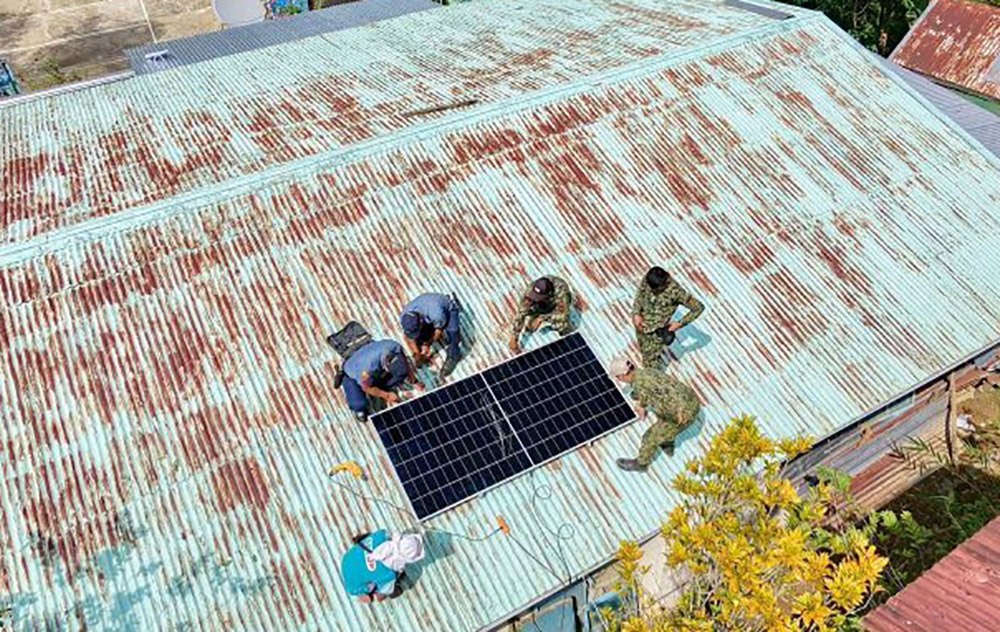
By Christian Allister Tubadeza   TUBO, Abra, Philippines — In a community where internet connectivity remains a challenge, a new digital learning resource is opening access to educational materials for students and teachers of Tubtuba Elementary School (TUES) in the remote village of Tubtuba, here. Recently installed at the school, the Science and Technology Academic and Research-Based Openly-Operated KioskS (STARBOOKS) from the Department of Science and Technology (DOST) is expected to assist learners in accessing educational materials despite the absence of internet service. Barangay Tubtuba is approximately 80 kilometers away from the capital town of Bangued. During rainy seasons, the safest and most convenient route for vehicles is via the Municipality of Quirino in Ilocos Sur Province, since traversing through the Municipal Hall of Tubo is risky due to rockslides and mudslides. For years, teachers in Tubtuba have relied heavily on printed references and limited learning materials to supplement classroom instruction. With the deployment of STARBOOKS, students now have access to thousands of science and technology resources, educational videos, digitized publications, and interactive learning materials through a stand-alone offline digital library. Dubbed as the country’s first digital science library in a box, STARBOOKS allows users to explore a vast collection of information without the need for an internet connection, making it particularly valuable for geographically isolated and disadvantaged areas such as Tubtuba. TUES School Principal Elizabeth Macalingay Manggalis said she is delighted that the digital library can operate entirely offline. She said that aside from helping the students, the STARBOOKS will also aid the teachers of TUES in their lesson plans. “Daytoy STARBOOKS ket dakkel ti tulong na lalo ta offline. Adu ti karga ti STARBOOKS nga mabalin nga usaren dagiti teachers kasta met dagiti students mabalin da ti agbrowse uray adu da ta adda met router na so this will be of great help for our pupils,” she said. (This will help us a lot, especially working offline. It is loaded with materials that can be used by teachers and students simultaneously because it has a router, so this will be a great help for the pupils.) DOST-Abra Science and Research Specialist Mark Jay Trinidad also shared that the STARBOOKS will run even during a power outage since it is equipped with Solar Panels, Uninterrupted Power Source (UPS) and routers. He emphasized that the priority beneficiaries are those in Geographically Isolated and Disadvantaged Areas (GIDAs). “Ang priority natin dito ay ‘yung mga nasa GIDA areas especially ‘yung mga walang internet connectivity. Since it is offline, magagamit siya kahit walang internet. May thousands of topics na puwedeng gamitin ng teachers and students,” he explained. Meanwhile, Abra Police Provincial Office (PPO) Revitalized-Pulis Sa Barangay Focal Person (R-PSB) Master Sergeant Albie May Liyad explained that the intervention was identified and facilitated through the efforts of the R-PSB of the Abra PPO, which recognized the need for additional educational support in the community and coordinated with DOST to bring the technology to the school. “Base po sa need assessment ng Revitalized-Pulis Sa Barangay team natin dito, na-identify na itong schools, kailangan nila ng STARBOOKS. Ngayon nandito na ‘yung project so nagpapasalamat tayo sa DOST kasi binigay nila ‘yung kailangan ng school,” Liyad shared. The deployment of STARBOOKS in isolated areas highlights the whole-of-nation approach in ensuring that learners in far-flung areas are not left behind in an increasingly digital world. (JDP/CAGT – PIA CAR, Abra)    
Convoy of Hope Philippines visited Kabayan

CAR

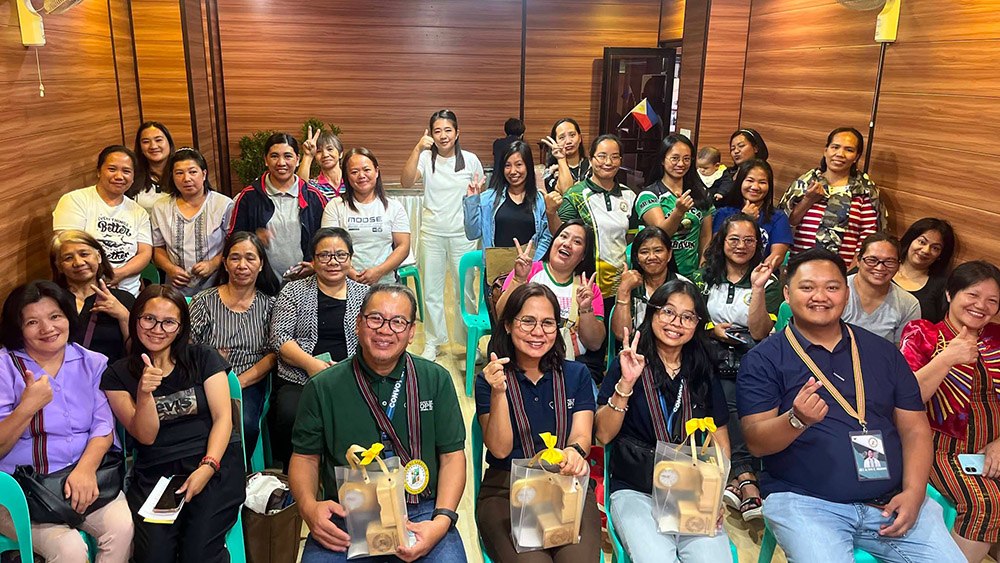
KABAYAN, Benguet — The Local Government of Kabayan, formally welcomed the delegation of Convoy of Hope Philippines during their first meeting at the Conference Hall, Municipal Building, Poblacion. The gathering marked the start of a significant partnership, with Kabayan chosen as the pilot municipality in the Cordillera Administrative Region (CAR) for Convoy of Hope’s comprehensive feeding program. Mayor Rex Alvin Aquisan, with the support and presence of Vice Mayor Sario M. Minas, Punong Barangays led by Honorable Amy Joanne A. Belting, Child Development Workers (CDWs), Department of Education -Kabayan District, and the LGU departments, warmly expressed gratitude to Convoy of Hope for their commitment to supporting the community, particularly the younger generation. He emphasized that the initiative is a vital step toward ensuring the health and educational success of Kabayan’s children, noting that the LGU is ready to collaborate in sustaining programs that uplift vulnerable groups. During the meeting, the parties agreed to conduct a 20-day trial feeding program in selected schools, after which an assessment will be undertaken before the signing of a one-year contract. The program is designed as a nutrition-specific intervention targeting at-risk and vulnerable children aged 2–14 years, as well as pregnant and lactating mothers. It will be strategically implemented through school-based and community-based approaches to maximize reach and impact. The feeding program will operate five days a week for a continuous 180-day cycle, using fortified rice meal products and approved recipes to ensure nutritional adequacy. Implementation will be carried out in partnership with local organizations, with special attention to Geographically Isolated and Disadvantaged Areas (GIDA). To strengthen sustainability, nutrition education and training will be provided to parents and volunteers, including sessions on food preparation and handling facilitated by the Nutrition Services Unit (NSU). Children will also receive vitamin and micronutrient supplementation to support growth and immunity, while a robust monitoring and evaluation system will be in place to measure effectiveness and guide improvements. Convoy of Hope, a faith-based humanitarian relief organization founded in 1994 in the United States, is globally recognized for its programs in feeding, disaster response, women’s empowerment, agriculture, and community development. In the Philippines, the organization has partnered with local governments to combat malnutrition and promote holistic community development. The meeting highlighted the shared vision of LGU Kabayan and Convoy of Hope: to build healthier, stronger communities through compassion-driven initiatives. With Kabayan as the pilot site, the collaboration is expected to bring lasting benefits to children and families, setting a model for future expansion across the region.

Aboitiz Renewables creates sustainable livelihoods among Benguet tribes through hog-raising

CAR

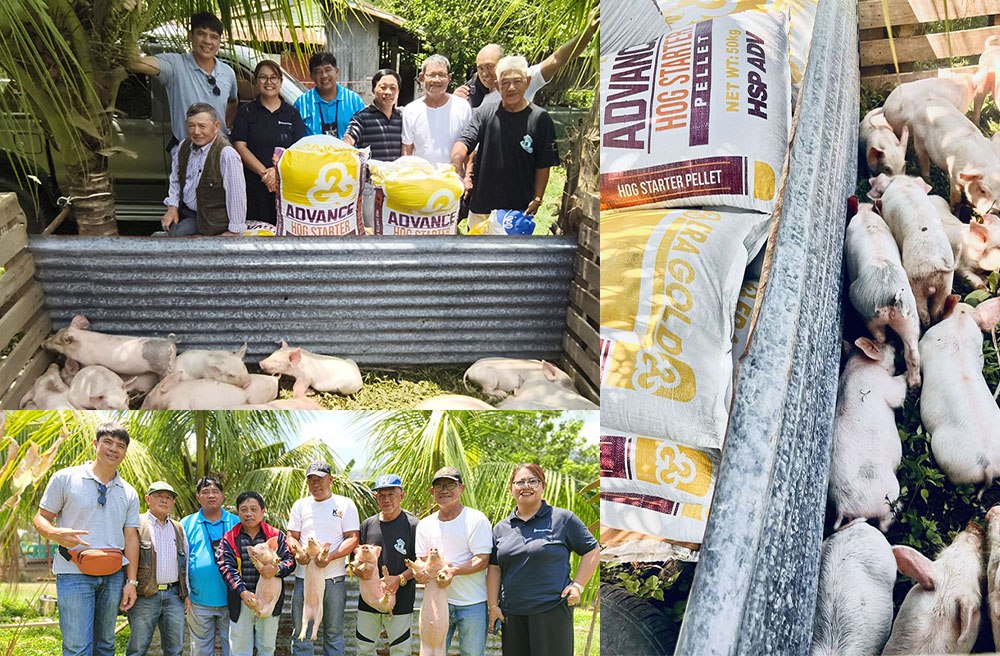
TUBA, Benguet, Philippines —  Aboitiz Renewables, Inc., the renewable energy arm of Aboitiz Power Corporation (AboitizPower), is supporting a community-based hog-raising initiative for indigenous communities in Tuba, Benguet — helping local families build a sustainable source of income that can grow over time. The project benefits members of the Ibaloi, Kankanaey, and Kalanguya tribes under the Tuba Ancestral Domain Indigenous Peoples Organization (TADIPO). Through hog raising and breeding, community members can build productive assets, improve household income, and pass on opportunities to the next generation. To get the project off the ground, Aboitiz Renewables provided 20 piglets and 1,000 kilograms of feeds — giving TADIPO the foundation to run a community enterprise built on self-reliance. For many indigenous families, the initiative is more than an additional income source. It supports food security, addresses daily household needs, and opens doors for future generations. TADIPO President Zaldy Guileng underscored what the project means for his community. “This is more than just a source of income. It is an opportunity for our communities to build sustainable livelihoods while strengthening the values of hard work, cooperation, and stewardship that have long been part of our way of life. Through initiatives like this, families can provide for their needs while creating opportunities for future generations,” Guileng said. Noreen Vicencio, First Vice President and General Manager for Hydro Operations at Aboitiz Renewables, echoed the significance of building on what communities already have. “The Ibaloi, Kankanaey, and Kalanguya tribes have a long tradition of valuing self-sufficiency and communal advancement. Seeing that channeled into concrete financial prospects for local households is what makes this initiative meaningful — it works with the community’s own strengths to build income streams that can last,” Vicencio said. Through initiatives such as the community hog-raising project, Aboitiz Renewables continues to work alongside its host communities in creating sustainable progress, stronger livelihoods, and shared prosperity.

ARBOs in Benguet renew market agreement with institutional buyers

CAR

  LA TRINIDAD, Benguet, Philippines — Two Agrarian Reform Beneficiary Organizations (ARBOs) in Benguet renewed their marketing agreements with government institutions on June 10, strengthening market access for farmers and supporting efforts to promote food security and sustainable livelihoods in the province. The agreement was formalized during a Kumustahan Session and Renewal of Marketing Agreement organized by the Department of Agrarian Reform Provincial Office (DARPO) Benguet through the Partnership Against Hunger and Poverty (PAHP) Program. The renewed partnership involves the Bokod Sulfur Spring Multipurpose Cooperative (BSSMC) and Taba-ao Cuba Multipurpose Cooperative (TACUMPC), together with the Benguet Provincial Jail (BPJ), with the Philippine National Police Benguet Police Provincial Office (PNP BPPO), Bureau of Jail Management and Penology (BJMP), and the Provincial Local Government Unit (PLGU) of Benguet serving as witnesses. OIC-Provincial Agrarian Reform Program Officer II (PARPO II) Lailani A. Cortez said the collaboration aims to create lasting benefits for agrarian reform beneficiaries and Persons Deprived of Liberty (PDLs) while contributing to inclusive and sustainable community development. “This partnership is anchored on service, compassion, and shared responsibility,” Cortez said, expressing hope for its continued implementation and expansion. Provincial Jail Administrator JCINSP Jaime Batuyog Jr. also expressed support for increasing the procurement of agricultural products from partner ARBOs, underscoring the importance of collective action in improving livelihoods and fostering stability within communities. Meanwhile, PMAJ Edwin Sergio of the PNP BPPO’s Police Community Affairs and Development Division (PCADD) thanked DARPO Benguet and the partner ARBOs, describing farmers as the “living source” of food for communities and institutions. He encouraged members to sustain honest livelihood activities, emphasizing that gains earned through hard work and integrity are more meaningful than those obtained through dishonest means. The agreement was signed by PARPO II Cortez, BPJ Warden Peter Tip-ac, represented by Joseph M. Pul-oc, and the chairpersons of BSSMC and TACUMPC, Nicanor P. Sison, represented by Gil B. Amdos, and Prudencio L. Lacasandile, respectively. Under the agreement, DARPO Benguet will serve as the coordinating and monitoring body between the ARBOs and institutional buyers. The ARBOs committed to supplying quality agricultural products at reasonable prices while complying with existing procurement policies. In turn, the BPJ, BJMP, and PNP committed to continue procuring products from partner ARBOs in support of government efforts to strengthen local agricultural enterprises, enhance food security, and help alleviate poverty among farmers and PDLs. Representing Governor Melchor Diclas, Leo Calabias congratulated the ARBOs for forging partnerships with institutional buyers and reiterated the provincial government’s support for the initiative. He also encouraged the organizations to maximize available assistance programs for civil society organizations, including loan facilities that could help expand their operations.  

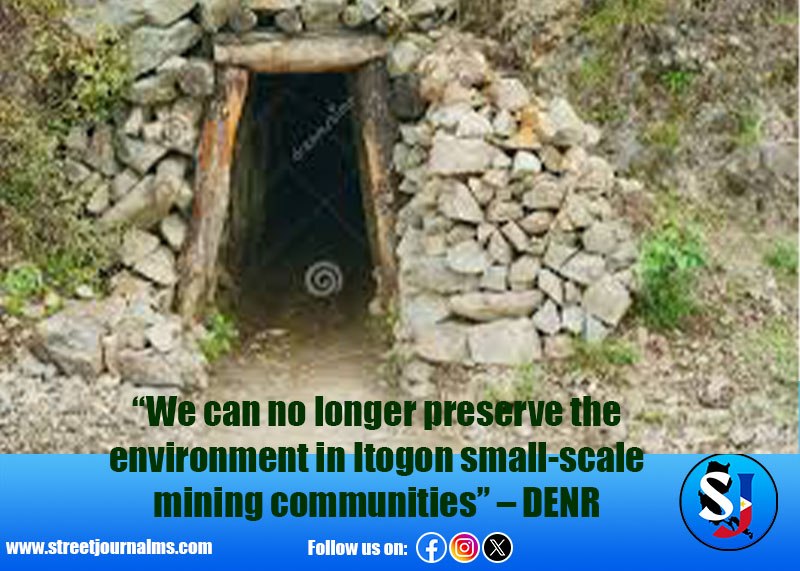
“We can no longer preserve the environment in Itogon small-scale mining communities” – DENR

CAR

ITOGON, Benguet, Philippines — “We can no longer preserve the environment in small-scale mining communities in Itogon.” This was the message of Marie Claire S. Luminang, Information Officer II of the Environmental Management Bureau of the Department of Environment and Natural Resources – Cordillera Administrative Region (EMB-DENR-CAR), during the Miners’ Forum held on June 10, 2026, at the Itogon Municipal Gymnasium in Poblacion. Speaking on the topic “Beyond Preservation: Protecting and Sustaining Environments in Small-Scale Mining Communities,” Luminang delivered her address as part of the municipality’s Environment Month celebration. Luminang explained that the concept of environmental preservation is no longer applicable in Itogon’s small-scale mining communities because preservation refers to protecting natural environments that remain largely untouched by human activity. “But we can protect and adapt,” she emphasized. She noted that while mining continues to provide livelihoods for many families, gold resources are finite and will eventually be depleted. She stressed the need for behavioral change—not only among miners but among all sectors of the community. Luminang also challenged participants to examine whether some existing environmental initiatives are truly addressing the root causes of environmental degradation or merely serving as temporary, band-aid solutions. “Are we really doing something about it?” she asked. According to Luminang, environmental problems do not always require complicated solutions. The first step toward meaningful action is acknowledging the problem and taking responsibility for everyday practices that contribute to environmental protection. These include proper waste segregation at source and, where feasible, transitioning to mercury-free gold processing methods. She explained that environmental protection involves reducing and preventing environmental damage such as pollution and soil erosion, safeguarding communities from hazards, promoting responsible use of natural resources, minimizing environmental impacts, and undertaking rehabilitation and restoration efforts. Environmental adaptation, meanwhile, focuses on modifying existing practices to respond to the realities of mining environments. Examples include progressive rehabilitation of mined-out areas while operations are ongoing, establishing buffer zones near rivers and residential areas, and restricting mining activities on steep slopes and in protected areas. She also highlighted measures to protect water resources, including the construction of sediment traps or settling ponds, preventing the discharge of untreated waste into rivers, and promoting water reuse. Recognizing that small-scale mining remains a primary source of income for many residents, Luminang said it is disheartening to see miners receive all the blame whenever disasters strike mining communities. “The goal is not to eliminate livelihoods,” she said, “but to align them with environmental responsibility and long-term sustainability.” She further urged communities to begin preparing for a future beyond mining. “What happens after we have mined it all out?” she asked. Luminang emphasized the importance of developing alternative skills and livelihood opportunities to ensure that future generations will continue to have sustainable sources of income even after mining resources have been exhausted.          

National most wanted rapist captured in Sierra Madre hideout

CAR

​BAGUIO CITY, Philippines — The country’s No. 8 national most wanted person, accused of raping his minor niece in Mountain Province, was arrested on June 8 at his hideout in the Sierra Madre mountains in General Nakar, Quezon. ​According to the Criminal Investigation and Detection Group (CIDG), the suspect, identified only as “Alias Leo,” is a native of Mountain Province. His arrest carries a ₱150,000 bounty under the Department of the Interior and Local Government’s (DILG) reward program for fugitives. ​ The operation was jointly conducted by the CIDG and the General Nakar Municipal Police Station, executing warrants issued on September 8, 2022, by the Regional Trial Court in Bontoc, Mountain Province. ​ The suspect faces three counts of qualified statutory rape with no bail recommended, and two counts of acts of lasciviousness under Republic Act No. 7610 (the Special Protection of Children Against Abuse, Exploitation, and Discrimination Act), which carries a recommended bail of ₱200,000. ​Investigations revealed that the abuse began in 2015 in Sitio Lumyeng, Lacmaan, Besao, Mountain Province, when the victim was a Grade 6 student. ​ Silenced by the suspect’s threats, the victim hid the abuse for seven years. She finally disclosed the ordeal to her father in 2022, leading to an immediate police complaint. ​ To evade law enforcement, the suspect fled Mountain Province and constantly relocated, moving from Tanay, Rizal, deep into the Sierra Madre mountains before CIDG operatives tracked him down. ​ CIDG Director Maj. Gen. Robert A.A. Morico II commended the operating units, stating that the arrest reflects the agency’s unwavering commitment to pursuing fugitives and protecting women and children from abuse.      

Hospitality Without Limit: Building a more accessible Tourism Industry

CAR

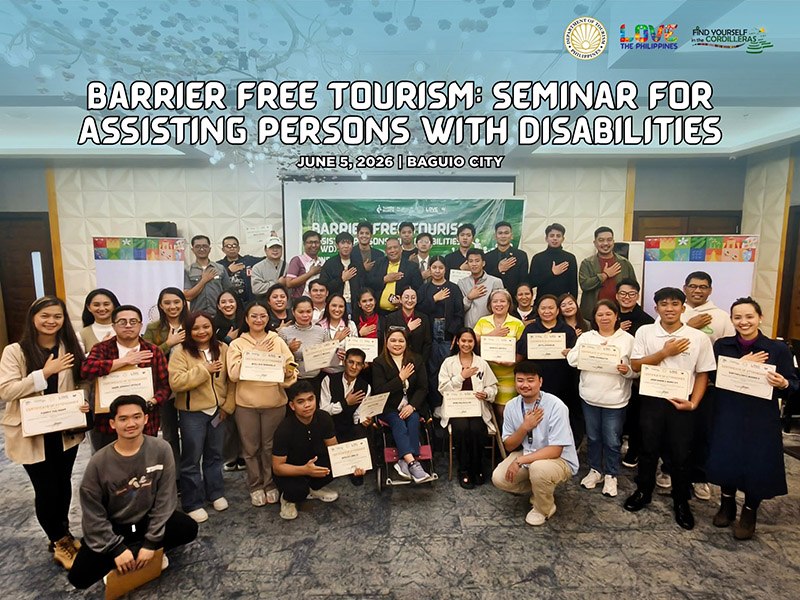
  The Department of Tourism – Cordillera Administrative Region (DOT-CAR) successfully conducted a Barrier-Free Tourism Training for representatives of various accommodation establishments across the region to strengthen their understanding of accessible tourism and encourage the adoption of inclusive and persons with disabilities-friendly practices, onJune 4–5, 2026.   The training forms part of DOT-CAR’s Barrier-Free Tourism Initiative, which promotes awareness of the rights of persons with disabilities (PWDs) and advocates for inclusion, non-discrimination, and equal access to travel experiences for all. Through this initiative, DOT-CAR continues to champion an accessible and inclusive tourism industry where every traveler is welcomed and valued.   Accessible tourism is not merely about ramps and infrastructure; it is about ensuring that every person, regardless of ability, can experience the beauty, culture, and opportunities that tourist offers. An accessible tourism destination is a destination that welcomes everyone.   Through accessible tourism, persons with disabilities are empowered to enjoy tourism activities, destinations, and experiences on an equal footing with others. Together, let us build a tourism industry that breaks barriers, embraces diversity, and ensures that no one is left behind.  

P462.3M worth of illegal drugs seized in Cordillera

CAR

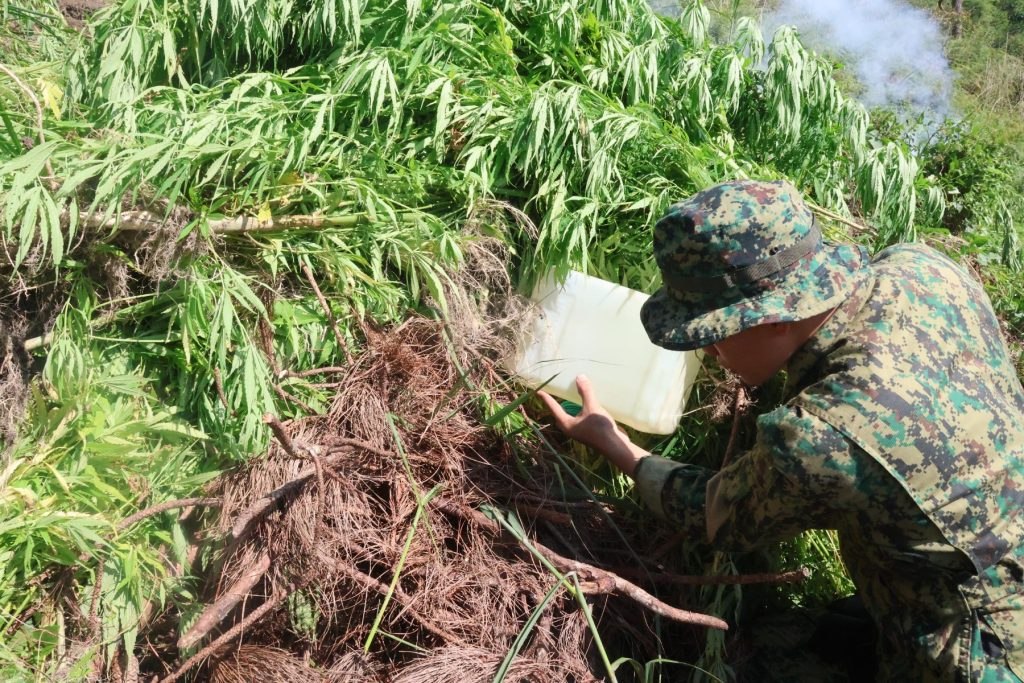
CAMP DANGWA, Benguet, Philippines – More than P462 million worth of illegal drugs were seized, along with the arrest of 38 drug personalities, in an intensified month-long operation in the Cordillera region from May 1 to 31. According to the Regional Operations Division of PROCOR, out of a total of 99 operations launched, which included 65 marijuana eradications, 14 buy-bust operations, eight search warrant executions, seven service warrants of arrest, and five police responses. These efforts led to the confiscation of 1,849,470 pieces of fully grown marijuana plants; 615,461 marijuana seedlings; 197,881.1 grams of dried marijuana leaves and tops; 27,365 grams of dried marijuana stems; and 335.64 grams of shabu, with a total Standard Drug Price (SDP) of P462,344,324.00. Additionally, in the said operations, 38 drug personalities were arrested, of which 13 were identified as High Value Individuals (HVIs) and 25 were identified as Street Level Individuals (SLIs). The most significant operation was conducted by the Kalinga Police Provincial Office (PPO), which confiscated illegal drugs worth P405,197,480.00 and arrested five HVIs and three SLIs. This was followed by the Mountain Province PPO, which confiscated illegal drugs worth P31,407,600.00 and arrested one HVI and one SLI. Meanwhile, the Benguet PPO confiscated illegal drugs with an estimated street value of PhP25,286,780.00 and arrested three HVIs and four SLIs. In addition, the Baguio City Police Office confiscated illegal drugs worth P282,892.00 and arrested four HVIs and nine SLIs; the Apayao PPO confiscated illegal drugs worth P123,944.00 and arrested three SLIs, while the Abra PPO confiscated suspected shabu with an estimated street value of PhP45,628.00 and arrested five SLIs.      

Benguet solon file bills to establish autism support system

CAR

Two bills that support Filipino children with autism and their families are moving forward to its approval, an optimistic Benguet Rep. Eric Go Yap said. Yap in a release said that House Bills 6001 and 6486 may reach approval by the plenary that are aimed to address the long standing struggles faced by individuals with autism and their family that care for them. Yap that with the two bills, the establishment of a comprehensive national autism care system will be established. HB 6001 is aimed to establish a comprehensive national autism care plan, that Yap says “would institutionalize measures for early detection, inclusive education, intervention programs, and full social integration for persons with autism.” On the other hand, HB 6486 “proposes the establishment of a Center for Autism that would provide free or affordable diagnostic, therapeutic, and rehabilitation services.” The House’s committee on health approval advocates say “as a breakthrough moment for countless families who have long endured emotional, financial, and social challenges while navigating the realities of autism care in the country.” For families, having an autistic child means “sleepless nights, uncertainty over their child’s future, and the painful struggle for acceptance, understanding, and accessible support systems.” Yap said  that the proposed bills are aimed “to ease those burdens by creating a more responsive and inclusive framework for autism care nationwide.” He said that the bills’ supporters view autism not a barrier to success or human potential, adding that “with proper support and opportunities, persons with autism can thrive in schools, workplaces, and communities.” They say that the committee approval is a legislative victory and “viewed as a powerful statement that inclusion should no longer be treated as a privilege reserved for a few, but as a fundamental right guaranteed to every Filipino child.” As the bills near plenary deliberations, Yap added that “families and autism advocates are hoping Congress will sustain the momentum and finally turn years of calls for stronger autism support into law.” PML            

Scroll to Top