
Street Journal Multimedia Services

Region 3

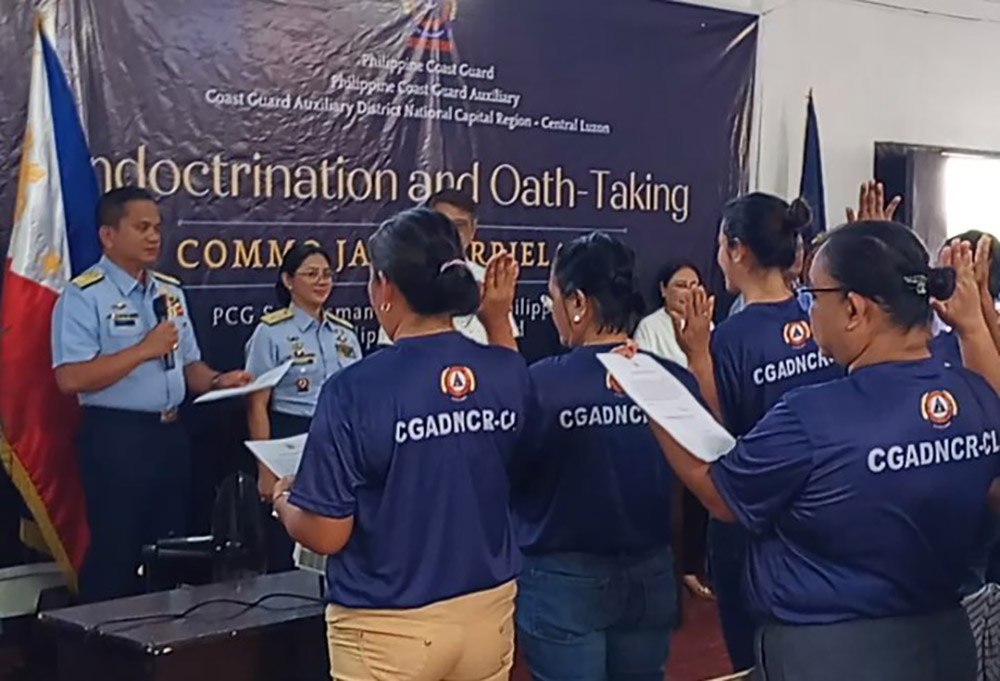
PCG Spox Commo.Tarriela swears in 40 fishermen as PCGA Auxiliarists in Zambales

Region 3

By Ruben A.Veloria   PALAUIG, Zambales, Philippines — Fourty fisherfolks from Zambales, Bataan and Pangasinan took oath of membership as auxiliarists to Philippine Coast Guard Auxiliary (PCGA) during the mass Indocrination and Oath Taking Ceremony held in this town on Wednesday. The auxiliarists will form part of the newly formed Zambales Division of Coast Guard Auxiliary District National Capital Region-Central Luzon (CGAD NCR-CL), 111th Auxiliary Squadron under the leadership of Director Auxiliary Squadron 111th Commander Eric John Gallardo PCGA. Started in 1972 throught the Republic Act 9993, the PCGA is a uniformed (patterned after PCG), volunteer non-government oraganization that supports as multiflier force for the Philippine Coast Guard (PCG) in promoting maritime safety, environmental protection and community relations, and disaster relief. Philippine Coast Guard (PCG) Spokesperson for the West Philippine Sea Commodore Jay T Tarriela PCG administered the oath taking of 10 female and 37 male auxiliarists, and one with the rank of Ensign, whose main livelihood are fishing and fishing related activities. “Kung mayroong batayan ng sukat ang bolunterismo, ang mangingisda ang may pinakamagaling na grado (If there is a basis of measurement of volunteerism, the fishermen will the the best),” said Commo. Tarriela. “Our critics may again say that we (PCG) are bringing you to another level of danger; that the Coast Guard is making another scripted scheme of the fishermen to provoke the Chinese,” he added. The Commodore affirmed that the PCG is recognizng the importance of all the efforts of the PCGA as volunteers to help the Coast Guard, “They symbolize the stand of the Filipinos in the West Philippine Sea,” he said. According to Commo. Tarriela, Filipino fishermen are the ones directly affected by illegal fishing in the WPS, and so they volunteered to become auxiliarists of the PCG to train them to be able to help in monitoring illegal, undocumented and unreported (IUU) activities, including the putting of bouys, markers and obstacles in Bajo De Masinloc, and other areas inside the WPS. Meanwhile, through the initiatives of Peoples Development Institute (PDI), led by its president Aurea Miclat Teves, expressed her happiness for the willingness of the fisherfolks to volunteer and become PCGA auxiliarists. However, they could help much by reporting and monotoring. The auxiliarists were given seminar on “Fisherfolks Training on Monitoring Illegal, Undocumented and Unreported Activities in the West Philippine Sea”, a one-day seminar on how to properly report illegal fishing to PCG while at sea.(RAV)    

DepEd Region III recognizes AboitizPower as Best Stakeholder in C Luzon

Region 3

By Ruben A.Veloria   BATAAN, Philippines – AboitizPower private limited partnerships GNPower Mariveles Energy Center (GMEC) and GNPower Dinginin (GNPD) was recognized on Tuesday (Jan, 27) as Best Stakeholder by the Department of Education (DepEd). The recognition was given by DepEd Region III (Central Luzon) in a ceremony held at Hacienda Gracia Hotel and Resort in Lubao, Pampanga, during the agency’s Regional Stakeholders’ Appreciation Program with the theme “Strong Collaboration Creates High Impact and Progress”. The recognition affirms GMEC and GNPD’s continued support and meaningful contributions to DepEd Region III. This follows the company’s Best Stakeholder award from the DepEd Bataan Division on October 28, 2025 highlighting its consistent partnership with the education sector. The award was received in the presence of Dr. Carolina Violeta, EdD, CESO V, Bataan Schools Division Superintendent. Representing AboitizPower were Andrea Mellind Madrid, GMEC|GNPD Vice President for Corporate Services; Joseph Paolo Mendoza, GMEC|GNPD RSM Manager, and Abigail Jacinto, GMEC|GNPD RSM Program Senior Specialist.    

Zambales hospital gets new building, equipment; expands services

Region 3

By Ruben A.Veloria   ZAMBALES, Philippines – The San Marcelino District Hospital (SMDH) here formally received on Monday one newly constructed building and equipment that will help in providing additional medical services to residents. Zambales Governor Hermogenes Ebdane Jr. led the turn-over ceremony. Congressman Jay Khonghun (1st Dist, Zambales), and Rowena Zabat-San MAteo, acting Branch Manager of PhilHealth, also grace the ceremony. According to Gov. Ebdane, the San Marcelino District Hospital has always been serving as example to other government agencies which prioritizes improvement of its facility for the welfare of the Zambalenos. “That is why I salute you for extending your professionalism and dedication to the job you chose to serve our people. That is why the Office of the Governor does not gets tired of doing its best to improve our hospital,” said Gov. Ebdane. As gesture of his sincerity, Gov. Ebdane announced that he already acquired three hectares of land nearby where he plan to construct the new and bigger hospital. He also mentioned that the DoH has pledged the amount of P300 Million for the project. “However, the amount maybe not enough budget for a bigger hospital, so we are to add more fund from the taxes derived from lahar extractions,” Ebdane said. In closing, Gov. Ebdane reminded all the employees of SMDH, especially the front liners, to be always ready with lots of patience in dealing with patients and their companions. “Always wear your best smiles. Because you are forbidden to frown, show irritation or act sulky in front of the patients,” he added. Meanwhile, Chief of Hospital Dr. Cresencio Gonzales Jr. said that among the new equipment and facilities that turned-over to SMDH were the new dietary building, Ambulatory Surgery Clinic, office for Hospital Information System, upgraded public comfort rooms, and an ambulance which was acquired through the DOH-Health Facilities Enhancement Program. Other important equipment and apparatus received by SMDH includes endoscopy and other medical equipment, brand new ambulance, and the official implementation of PhilHealth GAMOT and YAKAP program. “The new facilities and equipment are not just structures, they are the manifestations of true care for the dignity and welfare of every patient,” Gonzales said. Meanwhile, Cong. Khonghun said because of the effective management and operation of SMDH, the hospital serves as the hub of faster relief of patients, and promised to double the budget of the hospital to guarantee bigger improvement.  

CIAC, BCDA showcase Clark investment opportunities to Japanese investors

Region 3

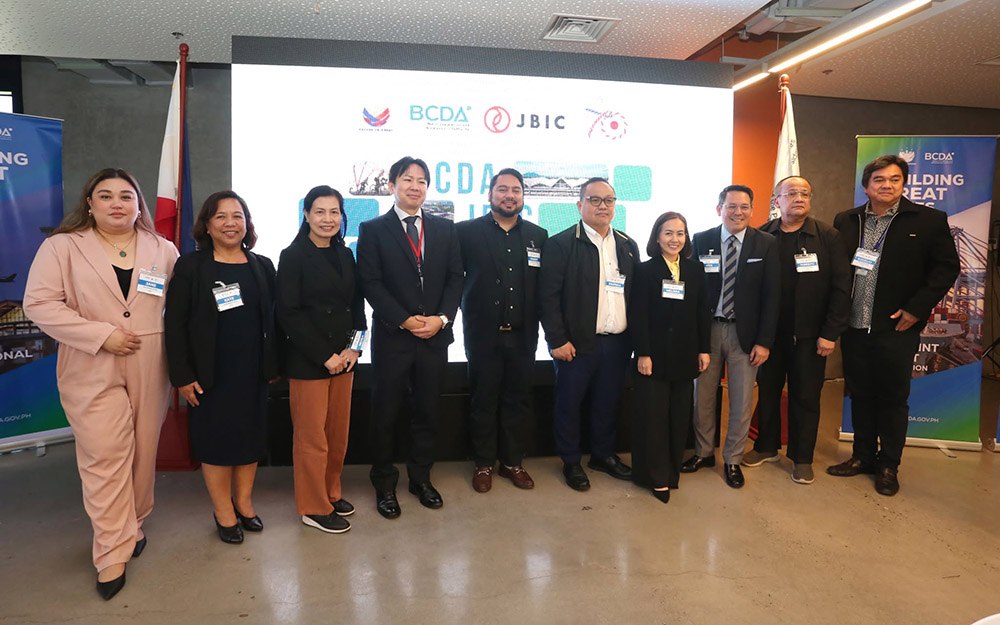
NEW CLARK CITY, Tarlac, Philippines ——The Bases Conversion and Development Authority (BCDA) and its subsidiaries, including the Clark International Airport Corporation (CIAC), presented current and upcoming projects to Japanese companies during the BCDA-Japan Bank for International Cooperation (JBIC) Project Pitching event held today, 23 January 2026, at the Athletics Stadium. Representatives from the Clark Development Corporation (CDC), John Hay Management Corporation (JHMC), and Poro Point Management Corporation (PPMC) also attended. “CIAC fully supports BCDA’s efforts to strengthen collaboration with Japanese companies, facilitate project partnerships, and identify viable investment opportunities within the Clark Aviation Capital. Our goal is to create business opportunities that generate jobs and improve the quality of life for Filipinos,” said CIAC President and CEO Jojit Alcazar. The Japanese companies in attendance specialize in sectors such as water and wastewater treatment, infrastructure, industrial park development, information technology for public safety and smart transportation, energy and energy transition, agriculture, and Public-Private Partnerships (PPP). JBIC, a Japanese government financial institution, promotes Japan’s overseas strategic initiatives, focusing on green growth and addressing social challenges. The project pitching event follows the recently signed memorandum of understanding between BCDA and JBIC, which aims to strengthen cooperation in promoting BCDA projects and programs, particularly those advancing energy transition, environmental and social sustainability, and quality infrastructure across sectors. On behalf of CIAC, Chief Business Development Officer Melissa Feliciano presented the corporation’s flagship projects, highlighting investment-ready opportunities including the Clark National Food Hub, Urban Renewal & Heritage, Conservation Program, Clark International Aviation Campus, and the Clark Pharmaceutical Hub. As BCDA’s premier aviation and land development arm, CIAC remains committed to transforming the Clark Civil Aviation Complex into the Clark Aviation Capital, a vibrant business and logistics hub poised to become the country’s leading global aviation center.        

Zambales starts modernizing fishing capabilities with three new fishing vessels

Region 3

By Ruben A.Veloria IBA, Zambales, Philippunes – The Zambales Maritime Development Council (ZMDC), the umbrella council of all association of fishermen in the province gets three brand new motorized fishing vessels to augment the province’s fishing industry. Concurrent ZDMC Chairman, Zambales Governor Hermogenes Ebdane Jr. led in a simple ceremony for the naming of the two fishing vessels,and a maritime boat held at Philippine Coast Guard Sub-Station (CGSS) ground in Sitio Balintabog, Bgy. Amungan, Iba, Zambales. ZMDC, a province-approved people’s organization, was organized by the office of the Governor which seeks of helping its members to have a bountiful harvest, and develop the fishing industry of the province through modern equipment. According to Gov. Ebdane, two of the three boats are 45-footer fishing boats named F/V Zambales III and F/V Zambales IV, both have 125 horsepower Hyundai engine delivering a maximum speed of 18 knots. Each costs P5-Million. While the third boat was named: MB The Province of Zambales, which will be used in patroling the vicinity of the fishing ground usually visited by poachers. The body of the boats were made of one-inch fiber glass, which is stronger than the usual plyboards, and could withstand strong waves, like those of the standard deep sea fishing vessels abroad. The governor said, two more vessels are scheduled to be delivered by March 2026, which are bigger 92-footer and 100-footer fishing boats. The bigger boat will serve as “Mother fishing vessel” where all the harvested fish will be stored before going to the markets, while the smaller one will be used as hauler that collects the catch from each “payao” or artificial fish shades, then bring them to the Mother Boat. Gov. Ebdane said the purchase of the new fishing boats is one of the four projects of the Province of Zambales that are being implemented to give the fishermen a long lasting means of improved fishing methods. The other three methods are deep sea fishing, use of payao, and inland fishing, which already are taking place. Ebdane said that with the assistance of the Bureau of Fisheries and Aquatic Resources (BFAR), the Office of the Governor was able to purchase 20 units of payao and anchored them to identified fishing areas, to invite more fish to the area, as payao serves as their shades and playing areas. Meanwhile, Marlene Ong, the CEO of the Cavite-based boat manufacturer Stoneworks Specialist Int’l. Corp., described the event as “a milestone for fishing industry; a new era for the Zambales fishing industry.” Ong described the newly delivered boats as safe, fuel efficient and ideal for productive fishing, providing reliable fishing vessel. She also mentioned that the massive 100-footer fishing vessel to be delivered soon is powered by 500 HP Korean engine, with massive storage tanks and ice maker  to keep the fish fresh for weeks while in the sea. It is also equipped with sonar to locate fish even kilometers away. “These upcoming additions will further strengthen the province’s fleet and solidify Zambales as leader in modern fishing practices,” Ong said. For his part, Gov. Ebdane noted, “This is just the beginning of our modernization program.” As he urge each fishermen organization to organize thier own harvester group to improve their catch and to provide more jobs to the members.

Zambales coastal towns still in danger due to erosion especially during rainy season

Region 3

By Ruben Veloria- Correspondent   ZAMBALES, Philippines — The Department of Environment and Natural Resources (DENR) reaffirmed that the erosion and attrition being observe in the coastal towns here cannot be attributed to dredging activities in three river systems of the province. DENR- Region III Executive Director Ralph Pablo explained that there isn’t any report of erosion linking to dredging activity in any of the major river system: Maloma River, Sto. Tomas River and Maculcol River. The reaffirmation was made in response to inquiry of the Office of Sen. Loren Legarda based on the allegations of a certain Rachelle Harrisson that continuous dredging in Sto. Tomas River has caused severe damage to the livelihood of the local residents. A member of a non-government organization claiming to be environmentalists, Harrisson alleged that more than 50 resorts and houses were eroded and washed out to the sea, because of the dredging activity. Also she claimed that dredging has turned into commercial utilization or quarrying of sands and other minerals. “The coastal movement, which damaged coastal structures are 800 meters away from the Sto. Tomas River, and can be considered as isolated to the subject, as no other coastal disturbance to the dredging site was observed.” Pablo said, adding that the concrete structures may have been damaged due to unstable soil condition. A comparative analysis using the 1997 National Mapping and Resource Information Authority (NAMRIA) Topographic Map and satellite imagery from 2004 to 2024 indicates that the San Felipe coastline, most evident in Sitio Liwliwa, experienced a general trend of shoreline accretion, extending approximately 100 meters to one kilometer seaward from its pre-eruption position. However, despite the general pattern of coastal accretion and erosion remain active during the southwest monsoon, locally called habagat, season, and accretion during the southwest monsoon or amihan season. As for the allegations that 50 resorts and houses eroded and washed out to the sea, investigation revealed that the damaged structures were illegally constructed inside the danger zone. Notices of Violation were issued to individuals identified by DENR team that constructed the resorts and houses from 2023 to 2025, he said. Pablo added that in a Joint Memorandum Circular 1 Series of 2019 which provides the guidelines for dredging that involves commercial utilization of dredged materials, states that it is not unlawful as long as regulatory prerequisites are fulfilled, and work programs are followed. The memorandum was signed and issued by the Department of Public Works and Highways, Department of the Interior and Local Government, Department of Tourism, and the DENR. Pablo noted that the river dredging in Zambales is being conducted “at no cost” to the government, however, the inter-agency council conducts regular monitoring of the dredging ensuring that it complies with the policies required. The DENR said Shuaful Resources Inc., which conducts dredging activity, is a legitimate dredging operator whose expertise is authorized under DAO 2019-13 to undertake river restoration activities along heavily-silted Sto. Tomas River.    

Filipino Shipmates monument inaugurated in Subic Bay Freeport

Region 3

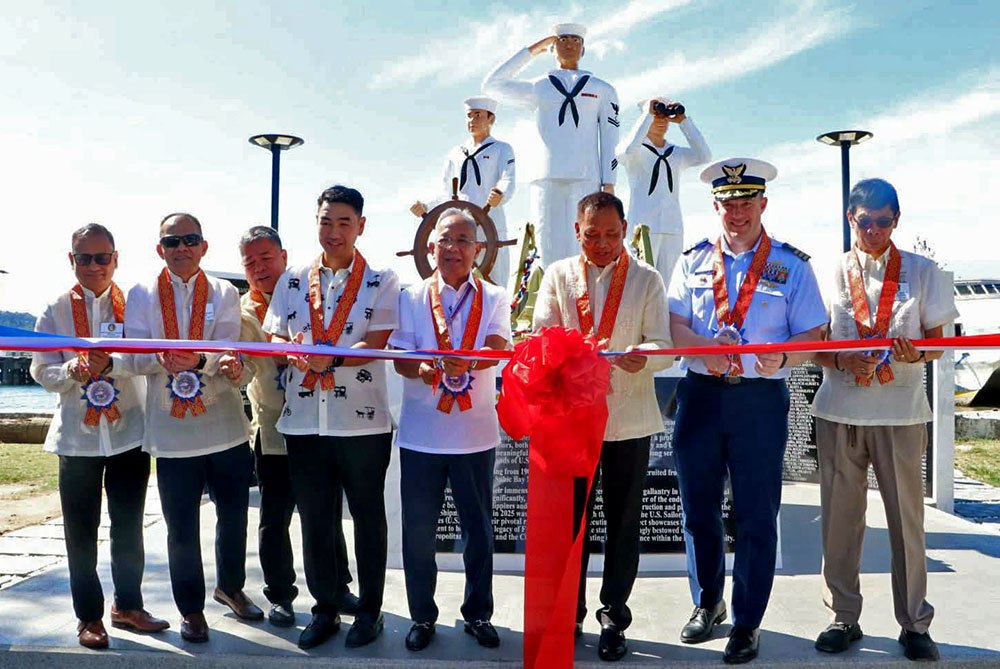
Subic Bay Freeport, Philippines – The Filipino Shipmates monument, located along Waterfront Road, Subic Bay Freeport Zone (SBFZ) was inaugurated on January 14, 2026. Subic Bay Metropolitan Authority (SBMA) Chairman and Administrator Eduardo Jose L. Aliño recognized the United States Sailors Alliance of the Philippines (USSAP) for paving the way for the construction of a commemorative monument of Filipino-American naval history and friendship, as well as the strong bond between them. “Here in Subic Bay, a place rich in maritime history, it is fitting that we honor their contributions. Subic has long been a bridge connecting our two nations, and today, this monument shows the strengthening of this bond even further. It tells future generations that Filipinos played an essential role in safeguarding peace and freedom across the seas,” he said. Led by the USSAP, the monument was built to symbolize the dedication of Filipino sailors who were recruited by the United States of America (USA) between 1901 and 1991 in the Philippines. According to the USSAP, over 35,000 Filipinos were recruited through centers like the US naval bases at Subic Bay and Sangley Point during this period, leaving a significant legacy of service. The USSAP has been instrumental in preserving and recognizing this history, including the funding and presentation of a Filipino Shipmate statue to honor these sailors in Olongapo City. Olongapo City Mayor Atty. Rolen Paulino Jr., Bases Conversion and Development Authority (BCDA) Director Rolen Paulino, officials from the USSAP, and the US Embassy in the Philippines were present during the unveiling and ribbon-cutting ceremony. The USSAP is strongly committed to celebrate the deep history and contributions of US-Filipino sailors, especially in Subic Bay, Olongapo, where many were recruited, honoring significant personalities such as Medal of Honor recipient Telesforo Trinidad, and recognizing Filipino contributions to U.S. maritime forces. The Filipino Shipmate monument memorializes their services    

CIAC leads PH push for electric mobility

Region 3

CLARK FREEPORT, Pampanga, Philippines — The Clark International Airport Corporation (CIAC) has taken a decisive step toward sustainable transport with the acquisition of electric vehicles (EVs), becoming the first government agency in the Clark Freeport Zone to integrate EVs into its official fleet in support of the Electric Vehicle Industry Development Act (EVIDA). CIAC President and CEO Jojit Alcazar said the acquisition of five EV units aligns with EVIDA, which mandates the gradual adoption of electric vehicles in government fleets to strengthen the local EV industry, cut fossil fuel dependence, and help decarbonize the transport sector. “CIAC’s acquisition of electric vehicles is our concrete contribution to the EVIDA law and the national drive toward cleaner and more sustainable mobility,” Alcazar said. Alcazar noted CIAC has already disposed of several decades-old, unserviceable vehicles and replaced them with EVs as part of its fleet modernization program. The initiative complements Executive Order No. 62 (s. 2024), issued by President Ferdinand Marcos Jr. on June 20, 2024, which extended and expanded zero import duties on EVs and their components until 2028. The order covers battery electric vehicles (BEVs), hybrid EVs (HEVs), plug-in hybrid EVs (PHEVs), as well as e-motorcycles, e-bicycles, and e-tricycles, making electric mobility more affordable and accessible nationwide. The Palace directive, which took effect in July 2024, targets a 10-percent EV share in government fleets and supports broader national goals of deploying millions of EVs by 2028. Meanwhile, the Department of Energy (DOE) continues to fast-track electric mobility through its Comprehensive Roadmap for the Electric Vehicle Industry (CREVI), which aims for a 50-percent EV fleet share by 2040. Under the roadmap, the country targets 2.45 million EVs, including cars, motorcycles, tricycles, buses, and public utility vehicles, by 2028. Alcazar emphasized that CIAC’s transition to electric vehicles reflects a global shift toward green technologies and climate-resilient development. “We have integrated EVs into our corporate operations to promote innovation in clean, sustainable, and energy-efficient solutions while reducing greenhouse gas emissions,” he said. He added the move also strengthens the country’s energy security by lowering dependence on imported fuel for the transport sector. As the Bases Conversion and Development Authority’s premier aviation and land development arm, CIAC remains committed to transforming the Clark aviation complex into the Clark Aviation Capital, a dynamic business center poised to become the country’s leading global aviation and logistics hub.          

SBMA,SBF stakeholders hold 2nd Prayer Breakfast 

Region 3

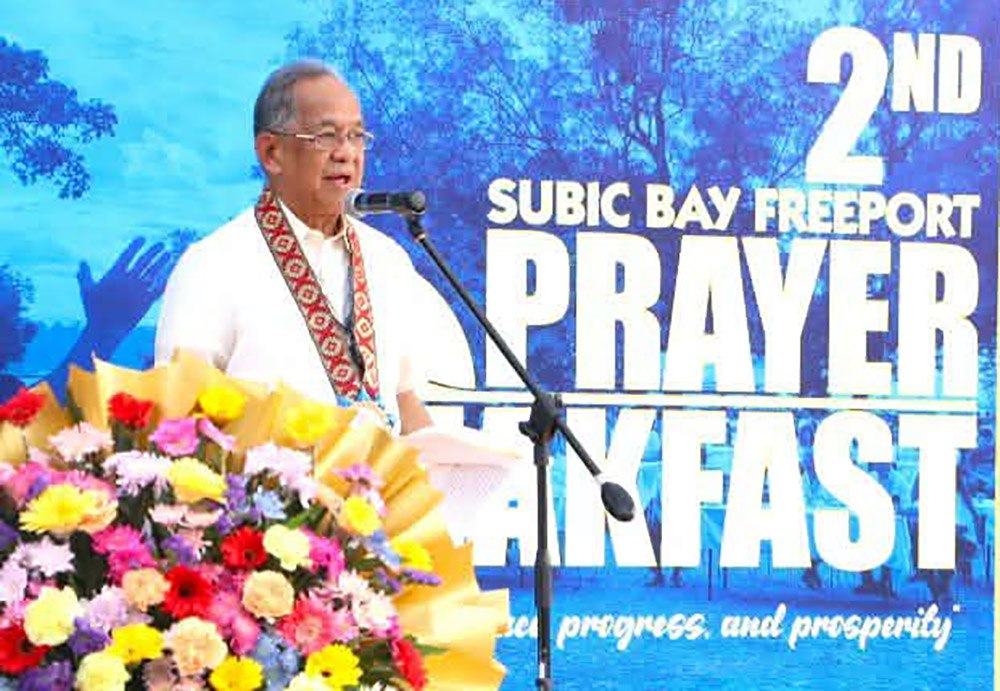
  Subic Bay Freeport, Philippines – The Subic Bay Metropolitan Authority (SBMA) gathered stakeholders to hold its 2nd Subic Bay Freeport (SBF) Prayer Breakfast with leaders of various religious sectors from surrounding localities at the Mini Golf Course on January 6, 2026. “This Prayer Breakfast is our humble acknowledgement that every plan, every decision, and every success must begin with faith and surrender to His will,” SBMA Chairman and Administrator Engr. Eduardo Jose L. Aliño said. “Amid our responsibilities and challenges, we pause to seek God’s wisdom, strength, and guidance. We come together as one community, different in roles and beliefs, yet united in our trust in the One who leads, protects, and provides,” he added. San Roque Chaplain Father Emmanuel Montes, Saalam Advocacy Group Chapter President Ustadz Sam Maharum, and Bishop Noel Pantoja of the Evangelical Church were among the religious leaders who led the ecumenical mass during the said Prayer Breakfast. The SBF Prayer Breakfast is patterned after the Philippine National Prayer Breakfast, an annual event where leaders from government, business, and faith communities gather at the Malacañang Palace grounds to pray for the nation, emphasizing faith, unity, integrity, and service. Inspired by the U.S. National Prayer Breakfast and founded by Gil Puyat and Francisco Ortigas Jr. in 1975, the most recent event was held on November 18, 2024, led by President Ferdinand Marcos Jr. The SBF Prayer Breakfast serves as a platform for leaders and local governments to set aside political and ideological differences and come together in prayer, and seek guidance for the nation’s progress. Chairman Aliño further said, “As we move forward into the year ahead, may God bless the work in our hands, guide the leaders of this Freeport Zone, and grant us clarity in every decision we make. May this time of prayer renew our commitment to the greater good; not only for the Subic Bay Freeport Zone, but for the people and communities we are called to serve.” The 1st SBF Prayer Breakfast was held last January 13, 2025, and will continue to be held annually in Subic Bay Freeport, as a time out from political and ideological differences, and come together in prayer to seek guidance for the nation’s progress        

Scroll to Top