
Street Journal Multimedia Services

Environment

5 years of rivers clean up: SMC removes 8.5M tons of waste

Environment

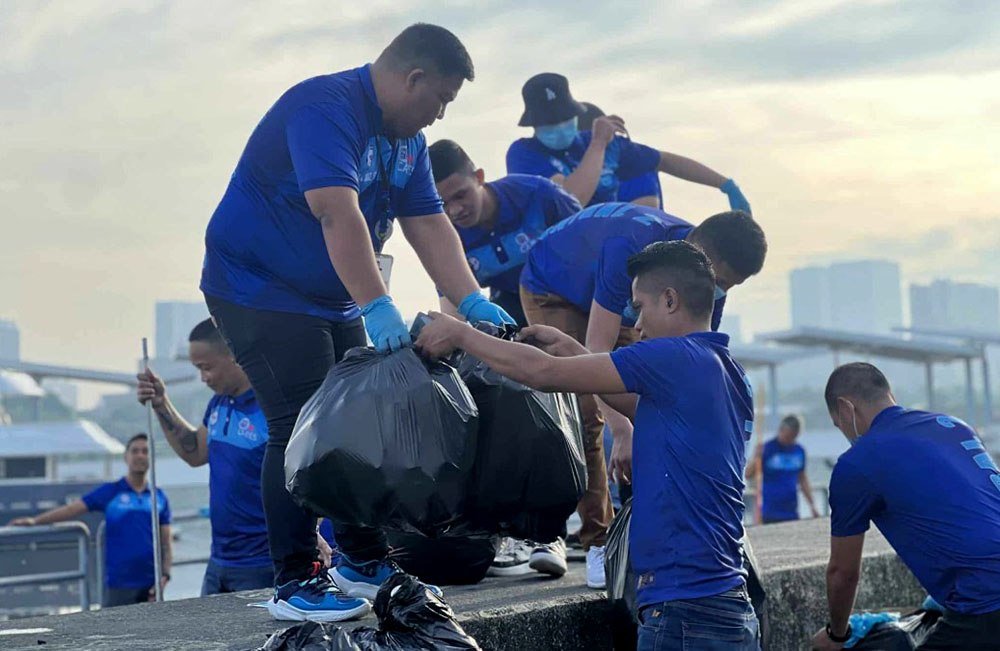
San Miguel Corporation (SMC) recently marked five years of cleaning up major rivers and river systems — a continuing effort that has, as of end-June, removed around 8.5 million metric tons of silt and solid waste from 10 key waterways in and around Metro Manila. Launched in 2020, the initiative, dubbed Better Rivers PH, aims to reduce river pollution and help prevent flooding by restoring and dredging rivers and improving their flow.  According to SMC Chairman and CEO Ramon S. Ang, the company has already cleared over 161 kilometers of river channels, and the work is far from over. The waste and silt — removed from the Tullahan, Pasig, and San Juan Rivers; rivers in Bulacan and Pampanga; the San Isidro, Biñan, and Tunasan Rivers in Laguna, and waterways in Navotas and Parañaque — have significantly increased the carrying capacity of these river systems. This has helped lessen the risk of severe flooding in surrounding communities, by enabling floodwaters to be drained to Manila Bay more effectively. Without this intervention, many of these waterways, made shallow by years of silt and debris buildup, would frequently overflow and inundate communities, Ang said. The effort has also reduced foul odors coming from rivers and, in some cases, encouraged the return of fish, owing to the removal of decomposing waste and garbage from the river beds. “Because of many contributing and aggravating factors, flooding continues to be a major risk for many of our cities and provinces. For San Miguel, we cannot afford to just stand by and do nothing because in the end, our economy and all of us, suffer. That’s why we’ve been working non-stop these last five years to help clean and restore our rivers,” Ang said. “Through cooperation with the national and local governments and other stakeholders, we’ve now managed to increase the carrying capacities of our major rivers. But a lot still needs to be done, including in changing mindsets and discouraging the throwing of wastes in our waterways. We are committed to continue working with stakeholders and doing our part every way we can,” he added.  SMC’s river cleanup initiative, which does year-round work at targeted rivers, is part of its broader social responsibility agenda, and is aligned with SMC’s major sustainability initiatives, which includes a drive towards addressing critical water issues. Fully-funded and undertaken by SMC, the program comes at no cost to government and taxpayers, and is done in close coordination with the Department of Environment and Natural Resources (DENR) and local government units. From its early efforts to clean up the Tullahan, Pasig, and San Juan Rivers, SMC’s river cleanup initiative has extended northwards to Bulacan and Pampanga, and the south, to rivers in Paranaque and Laguna. Last June, it completed the cleanup of Tunasan River in Laguna, where it removed 53,774 tons of silt and wastes. This is on top of its earlier efforts to clean up the Binan River (87,899 tons removed) and San Isidro River in San Pedro (417,044 tons removed). The company is set start cleaning up two more rivers in the province.

U.S. supported workshops empower fisherfolk,  strengthen coastal networks 

Environment

The U.S. Embassy in the Philippines, in partnership with IMPL-Project Philippines, trained over 180 fisherfolk from Zambales, Cagayan, and Sulu in a year-long program designed to expand their knowledge on sustainable fishing practices and to strengthen their ability in asserting their maritime rights in the South China Sea. From June 2024 to May 2025, participating fisherfolk joined a series of workshops under the U.S. Embassy-sponsored “Empowering Coastal Communities in the Philippines” program, with trainers from the Philippine Coast Guard, the Philippine National Police Maritime Group, and the Bureau of Fisheries and Aquatic Resources.  They learned about maritime law enforcement, the Philippines’ sovereign maritime rights, strategies to combat illegal, unreported, and unregulated (IUU fishing), and strengthening community information campaigns.  The program also enabled fisherfolk to explore alternative livelihood opportunities amid rising maritime tensions that have affected their access to traditional fishing grounds. “It serves a vital role in mobilizing grassroots action and developing an informed citizenry to better address maritime challenges,” U.S. Embassy Deputy Director of Public Engagement Chad Kinnear said at the program’s closing event held in Masinloc, Zambales, on June 20. A key outcome of the program was the establishment of three fisherfolk cooperatives: the Boundless Unity Steadfast and Inclusive Livelihood Agriculture Cooperative (BUSILAC) in Aparri, Cagayan; the Unified Livelihood Agriculture Cooperative (ULAC) in Zambales; and the Bangsa’Sug Fishermen Cooperative (BaSFC) in Sulu.  These cooperatives will provide thousands of fisherfolk with access to formal support and income-generating opportunities, while reinforcing their legal recognition as key stakeholders in coastal governance. “Through the program, I learned the proper procedures for boat licensing and how to ensure our safety when fishing,” said Roland Fuentes, a fisherman from Zambales and ULAC vice chairman. Participants also regarded the project as a meaningful step toward restoring fish stocks, building local resilience, and asserting the Philippines’ sovereign maritime rights in its exclusive economic zone. “We continue working toward long-term solutions to the maritime challenges our coastal communities face,” IMPL Philippines Executive Director Julius Suarez said. By expanding support for local fisherfolk, the United States remains committed to strengthening coastal resilience, advancing economic opportunities, and encouraging community-led solutions to maritime challenges in the region.        

SM Prime’s Hans Sy champions private sector leadership in disaster resilience at UNDRR Global Platform 2025

Environment

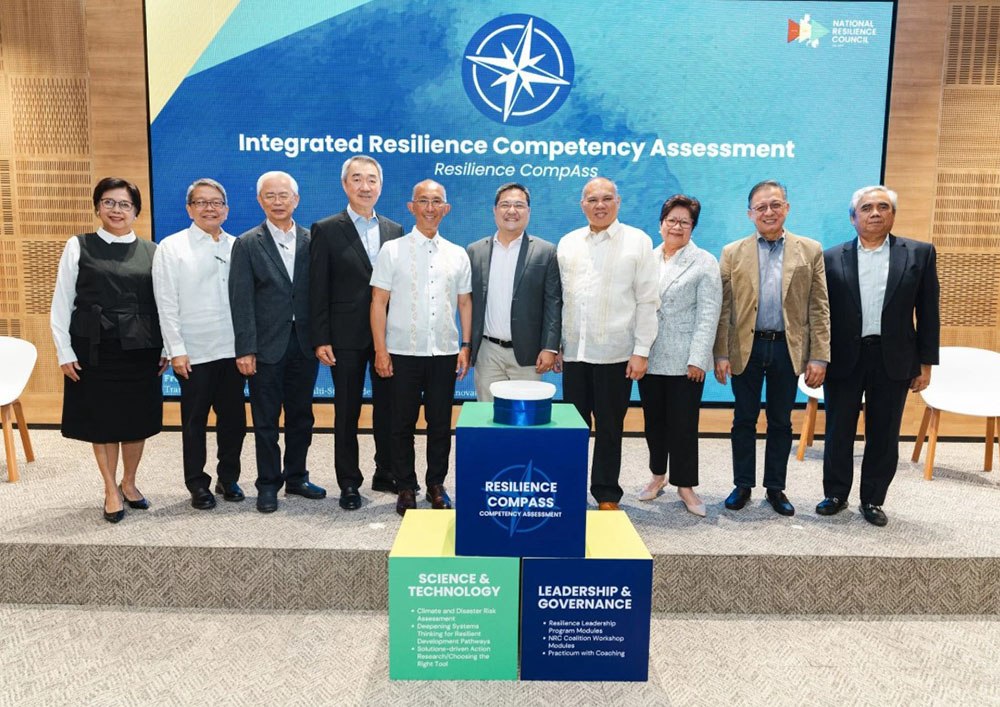
SM Prime Holdings, Inc. (SM Prime) Executive Committee Chairman Hans Sy reaffirmed the vital role of the private sector in disaster risk reduction (DRR) during the 2025 Global Platform of the United Nations Office for Disaster Risk Reduction (UNDRR), held in Geneva, Switzerland. Representing the Philippine private sector at the Ministerial Roundtable on “Accelerating Financing and Resilience,” Sy underscored how businesses can help drive scalable, science-based resilience solutions. Private sector as a force multiplier in DRR “Resilience strengthens businesses while safeguarding lives and communities,” Sy stated. “We know the government cannot do it alone. The private sector is ready to do more.” Sy underscores the need for policies, incentives, and institutional support to scale up disaster risk reduction investments at the UNDRR Global Platform 2025. He cited SM Prime’s integrated approach to DRR, which includes allocating a significant portion of project costs to disaster-resilient infrastructure and applying science-driven planning frameworks. Sy also pointed to cross-sector initiatives such as the Adopt-a-City Program with the National Resilience Council and joint capacity-building programs with ARISE Philippines and the Department of Trade and Industry as examples of effective public-private partnerships. Embedding resilience into core business strategy In a High-Level Dialogue on scaling DRR financing, Sy outlined SM Prime’s approach to mainstreaming resilience across its developments. He highlighted features such as elevated mall structures, built-in rainwater catchment systems, and earthquake-resistant designs—solutions that have minimized disruption and enabled rapid recovery in the face of disaster. “Disasters may be unpredictable, but their impacts don’t have to be,” he said. “We can—and must—prepare, mitigate, and adapt.” The SM Mall of Asia Complex features a higher seawall and elevated design to guard against rising sea levels. (Inset) Deep, wide drainage channels—large enough to fit two buses side by side—further protect the area from storm surge flooding. Call to scale resilience investment To expand DRR financing, Sy called for enabling mechanisms that combine policy support, institutional cooperation, and targeted incentives. “From the standpoint of the private sector, financial, non-financial and regulatory incentives are among the most effective ways to accelerate investment in resilience,” he noted. His remarks underscored the importance of collaboration, innovation, and long-term thinking in building resilient communities. SM Prime’s leadership in DRR continues to set a benchmark for sustainable development in disaster-prone regions. “Together, we can embed resilience to build a sustainable and secure future for all,” he concluded.                          

Community at Work: SM Cares joins Brigada Eskwela 2025

Environment

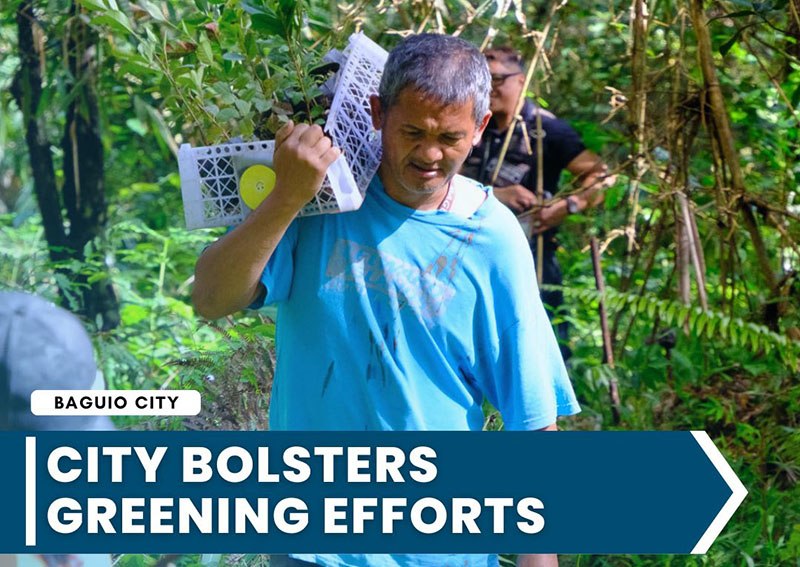
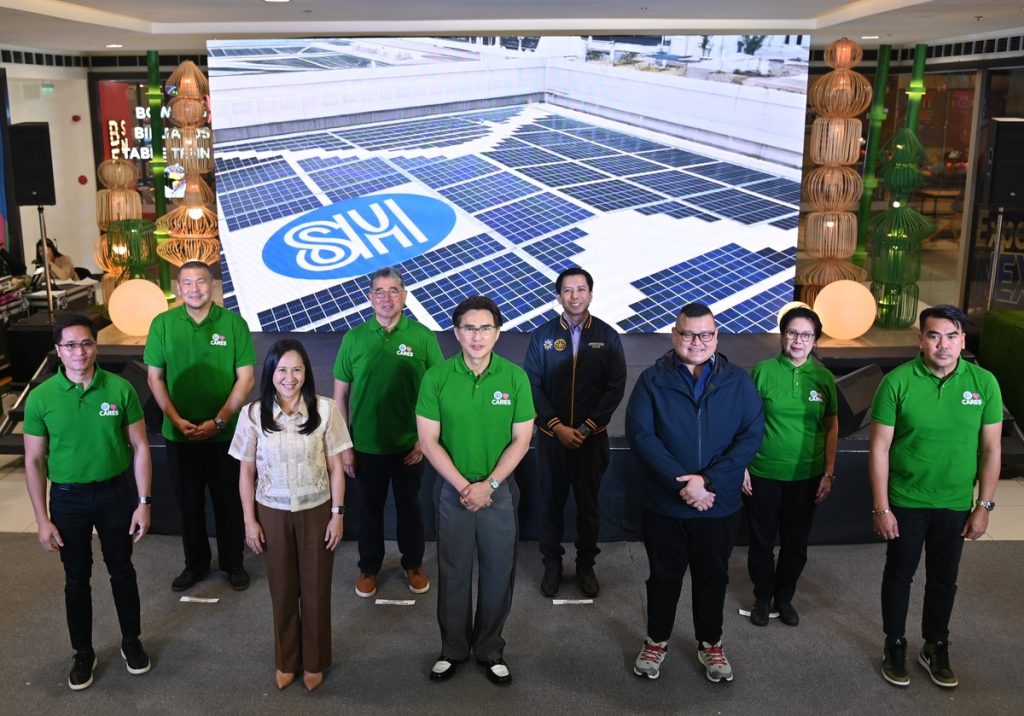
  In support of the Department of Education’s (DepEd) annual Brigada Eskwela initiative, SM Supermalls mobilized thousands of volunteers across its malls nationwide from June 9 to 13, 2025, to help prepare public schools for the upcoming academic year. This year’s Brigada  Eskwela carried the theme, “Nagkakaisa para sa Handa at Ligtas na Pagbabalik Eskwela.” As a long-time DepEd partner, SM Supermalls once again participated in Brigada Eskwela 2025 as part of its broader commitment to youth empowerment, environmental stewardship, and inclusive community building. The initiative was rolled out across 75 SM Supermalls, with more than a thousand employee-volunteers working hand-in-hand with DepEd, local government units (LGUs), school representatives, and community members. It empowered community volunteers to make a tangible impact by helping schools prepare safe, clean, and inspiring learning environments. In Baguio City, the Brigada Eskwela happened at Lindawan Elementary School in Barangay Lucnab. “We are proud to be part of Brigada Eskwela again this year. Education is the cornerstone of nation building, and through volunteerism and shared responsibility, we aim to help create safe and welcoming learning spaces for students all across the country,” said Steven Tan, President of SM Supermalls. SM employee-volunteers engaged in a wide range of preparatory activities including classroom cleaning and disinfection, repainting of walls and learning spaces, repairs of desks and chairs, and the turnover of essential learning materials. Through shared efforts, this annual initiative not only enhanced school facilities but also strengthened community ties and encouraged a culture of unity, pride, and collective responsibility for education. The program benefited 66 public schools across the country, helping ensure that thousands of Filipino learners return to a clean, safe, and functional learning environment when classes resume. By supporting Brigada Eskwela 2025, SM Supermalls reinforces its continued support and alignment with several United Nations Sustainable Development Goals, particularly SDG 4: Quality Education and SDG 17: Partnerships for the Goals, reflecting its commitment to fostering inclusive, sustainable development in every community it serves. This initiative also forms part of SM’s broader advocacy under SM Cares, the corporate social responsibility arm of SM Supermalls, which champions programs for Persons with Disabilities, Senior Citizens, the Environment, Women and Breastfeeding Mothers, Children and Youth and Bike-Friendly initiatives. For more updates on SM’s social good initiatives, visit www.smsupermalls.com/smcares or follow @OfficialSMCares on social media.  

Globe marks World Environment Day with renewable energy milestone: 33 sites now powered by clean energy, including Mindanao

Environment

Company pushes forward on its Net Zero goals through strategic renewable energy sourcin   In celebration of World Environment Day, Globe is charging ahead on its climate action goals by expanding its use of clean energy to power a total of 33 high-energy utilization sites — and marking a significant milestone with the company’s first-ever batch of renewable energy-powered sites in Mindanao. This marks another step forward in Globe’s mission to decarbonize its operations and champion sustainability, one site at a time. “Renewable energy has been a real, operational commitment for us for the past six years,” said Yoly Crisanto, Chief Sustainability and Corporate Communications Officer at Globe. “Each site we shift to clean power isn’t just about reducing emissions – it’s about building a future-proof network that puts people and planet first.” Through its partnerships with licensed Retail Electricity Suppliers (RES), Globe is sourcing energy from off-site solar, wind, hydropower, and geothermal plants through the electricity grid under the Retail Competition and Open Access (RCOA) and the Green Energy Option Program (GEOP). As of the moment, GEOP can be tapped for facilities with a monthly average peak demand of 100 kilowatts or greater, and RCOA for those with 500 kilowatts or greater. These allow high-energy utilization sites and facilities to directly contract with retail electricity suppliers of renewable electricity. As a result, the share of renewable energy in Globe’s overall electricity consumption grew from 14% in 2021 to 24% in 2024. This includes the company’s corporate offices and mixed-use facilities, which are now also powered by clean energy. Over the next two years, Globe plans to power more than 150 sites with renewable energy through Power Purchase Agreements (PPA), on-site solarization, as well as leveraging the Retail Aggregation Program (RAP). The RAP is a scheme where two or more end-users with installed meters within a contiguous area are joined together to share the benefits of the RCOA program.  These initiatives further deepen the company’s commitment to decarbonization and the clean energy transition. These initiatives support the company’s Science-Based Targets initiative (SBTi) approved commitment: to reduce Scopes 1 and 2 emissions by 42% and cut Scope 3 emissions by 25% in 2030, based on the 2021 baseline. By 2050, the company aims to reduce absolute emissions across all three scopes by 90%. Globe’s efforts also support the Philippines’ Nationally Determined Contribution to the Paris Agreement by helping increase demand for clean energy and reduce the country’s greenhouse gas emissions.

AboitizPower to expand A.I use in Luzon,Visayas thermal assets

Environment

By Ruben A. Veloria The Transition Business Group (TBG) of Aboitiz Power Corporation (AboitizPower) announced a strategic initiative to expand the application of artificial intelligence (A.I.) and data analytics to its coal-fired power plants in Luzon and Visayas. The move continues AboitizPower’s “Project Arkanghel”, which modernizes the company’s existing conventional power plants into smart ones, helping ensure plant availability and reliability. Full implementation of the project will be rolled out in phases. “The first phase of Project Arkanghel is up and running, currently in one of our circulating fluidized bed plants in Mindanao,” said AboitizPower TBG President and COO Celso Caballero III, referring to the 300-megawatt Therma South, Inc. in Davao City. “We’re completing implementation in the Visayas this year and moving to Luzon next year,” he added, making the announcement during Schneider Electric’s Innovation Day celebration. To recall, the 340-megawatt Therma Visayas, Inc. in Toledo City, Cebu was also named as one of the pioneer models for Project Arkanghel, while a site for Luzon has yet to be identified. Project Arkanghel features establishing a Unified Operations Center, equipped with digital twin technologies, early warning and anomaly detection systems, and an “end-to-end” complete integration live asset health monitoring system. This Center enables engineers to anticipate potential issues and optimize plant operations. A.I.-based systems have the potential to help maximize the efficiency of plants, which means lower heat rates, better fuel efficiency, reduced outage days and longer intervals between planned outages. With its data-driven intelligence, these systems enable engineers to do bolder and more accurate decision-making. In developing Project Arkanghel, AboitizPower partnered with Thailand-based company REPCO NEX Industrial Solutions. The project also utilizes AVEVA Predictive Analytics, a Schneider Electric solution, to analyze historical data, recognize patterns, and provide early warning detection. In the same event, Caballero cited the unique challenges faced by the Philippine energy sector, including rapidly growing energy demand, vulnerability to approximately 20 typhoons annually, and the persistent need for affordable power. The integration of A.I. and data analytics into its baseload power plant operations intends to help address these challenges. “Power demand growth aside, if your plants are more available, you will be able to build fewer plants in order to cover for shortages,” Caballero explained. The expansion of Project Arkanghel to AboitizPower’s coal plants in Luzon and Visayas is a pragmatic step in the company’s balanced energy mix strategy. It acknowledges the immediate need for stable, dependable and cost-effective baseload power while renewable energy capacities continue to grow. In step with the country’s ambitions for its energy mix, AboitizPower aims to grow its portfolio of generation assets with renewables and selected baseload builds. The Company seeks to increase its renewable energy portfolio from indigenous energy sources such as solar, hydro, geothermal, and wind. To date, AboitizPower, together with its partners, offers the largest renewable energy portfolio in the Philippines based on installed capacity under its operational control.(SJP)

SM Prime prepares for a resilient future

Environment

    The effects of the 7.7 magnitude earthquakes in Myanmar and the aftershocks in Thailand continue to be seen months after the events. The ultimate question is asked: Are we prepared for “The Big One”? As one of the most vulnerable countries to disaster and climate risk, SM Prime Holdings, Inc. (SM Prime), the leading integrated property developer in Southeast Asia, continues to reinforce its commitment to disaster resiliency and heightened climate action. 𝗧𝗵𝗲 𝗿𝗼𝗹𝗲 𝗼𝗳 𝗲𝗱𝘂𝗰𝗮𝘁𝗶𝗼𝗻 To increase the capacity of readiness within the institution and its communities, SM Prime continues to advocate for emergency preparedness and the general public’s continued education. SM Cares, SM Prime’s foundation arm, facilitates the annual Emergency Preparedness Forum to help mallgoers learn about emergency procedures, putting importance on staying calm to reduce panic and anxiety, basic first aid, life-saving techniques, and preparing senior citizens and persons with disabilities (PWD) in an actual emergency. As the largest and fastest-growing residential sector developer, SM Development Corporation (SMDC)’s disaster preparedness training, Ready to Rescue, covers essential topics from fire and earthquake drills to water safety and first aid training programs to help residents face an emergency should it arise. Through SM Prime’s role within the Private Sector Alliance for Disaster Resilient Societies Philippines (ARISE-Philippines), training and education opportunities on disaster risk reduction and resilience are made more accessible within the local network. Together with ARISE Japan and India, two of the largest in the global community, knowledge sharing on the latest technologies in disaster risk reduction helps toward understanding large-scale disaster prevention and identifies opportunities for further improvement and response 𝗖𝗼𝗹𝗹𝗮𝗯𝗼𝗿𝗮𝘁𝗶𝗼𝗻𝘀 𝗳𝗼𝗿 𝘁𝗵𝗲 𝗰𝗹𝗶𝗺𝗮𝘁𝗲 In a Climate Fresk Workshop with The Transmutation Principle, SM Prime, together with host SM Hotels, gathered friends from the corporate and non-profit sustainability space to learn more about the science behind climate change–its drivers, mechanisms, and consequences–including mitigation, adaptation, and circular economy principles. “It was an exciting and valuable experience for us, given our advocacy for climate change resilience. The workshop succeeded in making it more accessible and relatable, particularly for individuals who are already aware of its effects on their respective industries,” says Oscar M. Lopez (OML) Center participant Charmaine Vitan. The gamified workshop originated from a French non-profit organization and is based on the Intergovernmental Panel on Climate Change (IPCC) reports. Facilitated by local Philippine Freskers, it teaches the fundamentals of climate science – mapping key interdependencies between nature, biodiversity and human activities to ‘solve’ the complex narrative of climate change. The workshop was held at the SMX Convention Center Aura. “It invited everyone–not just one sector–to collaborate and participate in fields of knowledge that are seemingly not connected at all. To quote a groupmate, the immediate causes and effects of market actions are clear, but the bigger picture is clear when we collaborate with one another,” says World Wide Fund for Nature (WWF)-Philippines participant Joaquin Campos. 𝗕𝘂𝗶𝗹𝗱𝗶𝗻𝗴 𝗮 𝗿𝗲𝘀𝗶𝗹𝗶𝗲𝗻𝘁 𝘁𝗼𝗺𝗼𝗿𝗿𝗼𝘄 Always ahead of the curve, SM Prime strategically looks beyond the current industry needs and focuses on what can reduce risk and build long-term value. For SM Prime, an Environmental, Social, Governance, and Resilience (ESG + R) strategy ensures that the company is building for the security of future generations. SM Prime continues to focus its efforts on infrastructure resilience, disaster risk management strategies, readiness and swift response, and capacity building to create institutional readiness and help educate and shape public awareness. “Resilience is a way of life. It is a commitment to ensure that we act on our responsibility to care for others so that no one is left behind,” said Mr. Hans Sy, SM Prime Executive Committee Chairman.              

USD33M solar power facility to rise in New Clark City 

Environment

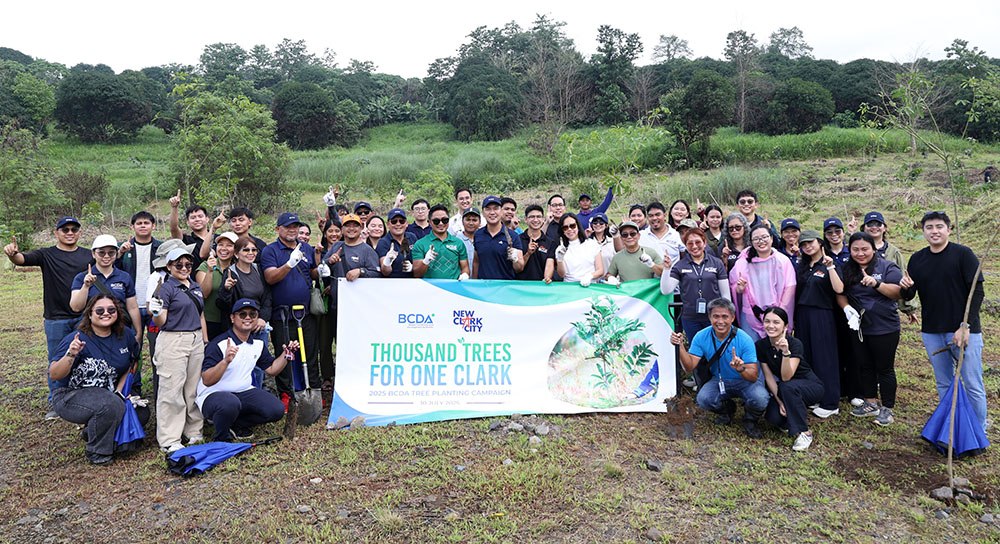
Advancing New Clark City’s goal of fostering sustainable development, Sindicatum C-Solar Power Inc. (SCSPI), a subsidiary of Singapore-based renewable energy developer Gurīn Energy Pte Ltd, has started the construction of a USD33 million solar photovoltaic power plant within the rising metropolis, with completion targeted by next year. On 11 April 2025, SCSPI and Gurīn Energy, joined by the Department of Energy (DOE), Bases Conversion and Development Authority (BCDA), and Union Bank of the Philippines, broke ground for the Capas Solar Power Project on a 40-hectare lot within New Clark City, marking the official start of the facility’s construction. “[T]he Philippines has one of the most exciting opportunities for renewable energy in the world. Here in Capas, Tarlac, with the support of the BCDA, the local government, and the stakeholders in our community, we wanted to show our commitment to our workplans by having this groundbreaking [ceremony],” said Jose Rafael R. Mendoza, president of SCSPI and country manager of Gurīn Energy. “Putting together a solar facility requires work not only from the developer, but cooperation with multiple stakeholders. It truly is a combination of multiple talents. And we’re very pleased to share this moment with you so that we continue to deliver a lasting impact for the progress of the Philippines,” he added. With a total investment commitment of USD33 million, the facility will have a total capacity of 38.81 megawatts peak (31.25 megawatts alternating current) upon its completion, which is targeted by January 2026. The power plant will be connected to the National Grid Corporation of the Philippines’ substation in Concepcion, Tarlac via a 69-kilovolt transmission line. The project seeks to boost the renewable sector’s share in the Philippines’ total energy mix, and to address the power requirements of locators and residents in New Clark City and the Tarlac province. “This proposed solar project would definitely add to our target of achieving 35% of renewable energy share in the power generation mix by 2030…With this renewable energy plant, which will be operational by next year, it will add significant energy generation, especially to the Luzon grid,” said Ruby B. de Guzman, assistant director of DOE’s Renewable Energy Management Bureau. Erwin Kenneth R. Peralta, vice president for Investment Promotions and Marketing of the BCDA, added: “This solar power project will not only generate the energy for New Clark City, but will also bring skills, employment and economic prosperity to the local community, proving that progress can go hand in hand with innovation and sustainability.” On 10 September 2015, the BCDA and SCSPI entered into an agreement for the 25-year lease of  the property in New Clark City for the development of the solar photovoltaic power plant. In June 2023, SCSPI informed the BCDA of changes in its ownership structure after Gurīn Energy acquired its holding company, Capas Investment Pte. Ltd from Sindicatum Renewable Energy Company Pte. Ltd.,   Gurīn Energy, backed by New Zealand-based Infratil Ltd., is a renewable energy provider with investments in several wind and solar energy projects across Asia, including the Philippines. The company’s Capas Solar Power Project is seen to build up the renewable energy market in the Central Luzon, contributing to the national government’s goal of increasing renewable energy’s share in the country’s energy generation mix to 30% by year 2030 and 50% by 2040. It is also aligned with the United Nations’ Sustainable Development Goal No. 7, which is ensuring access to affordable, reliable, sustainable, and modern energy for all.        

SBMA holds week-long 16th Recyclables Collection Event

Environment

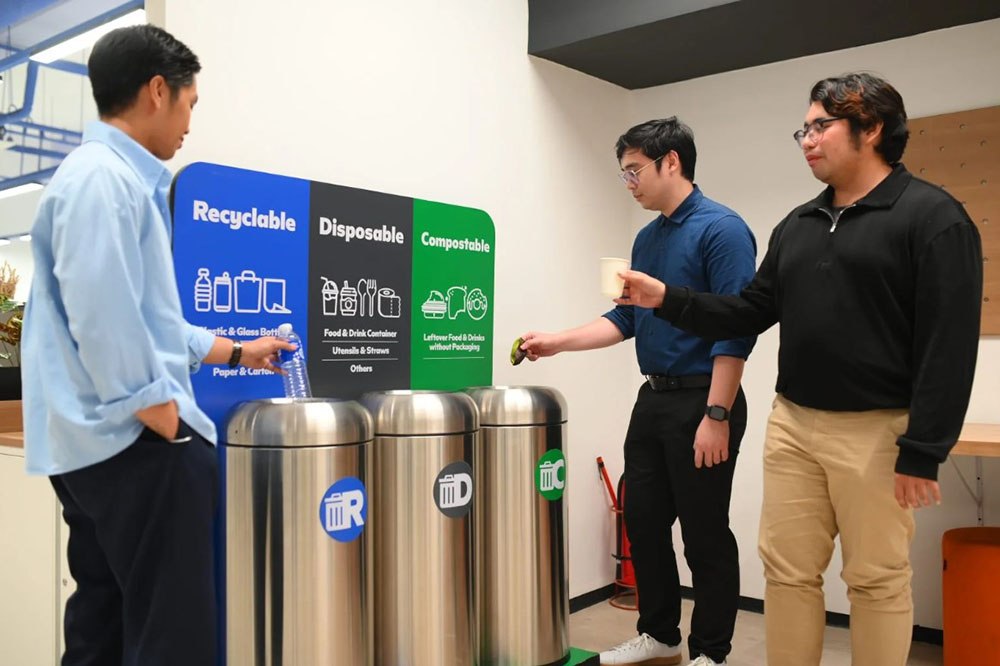
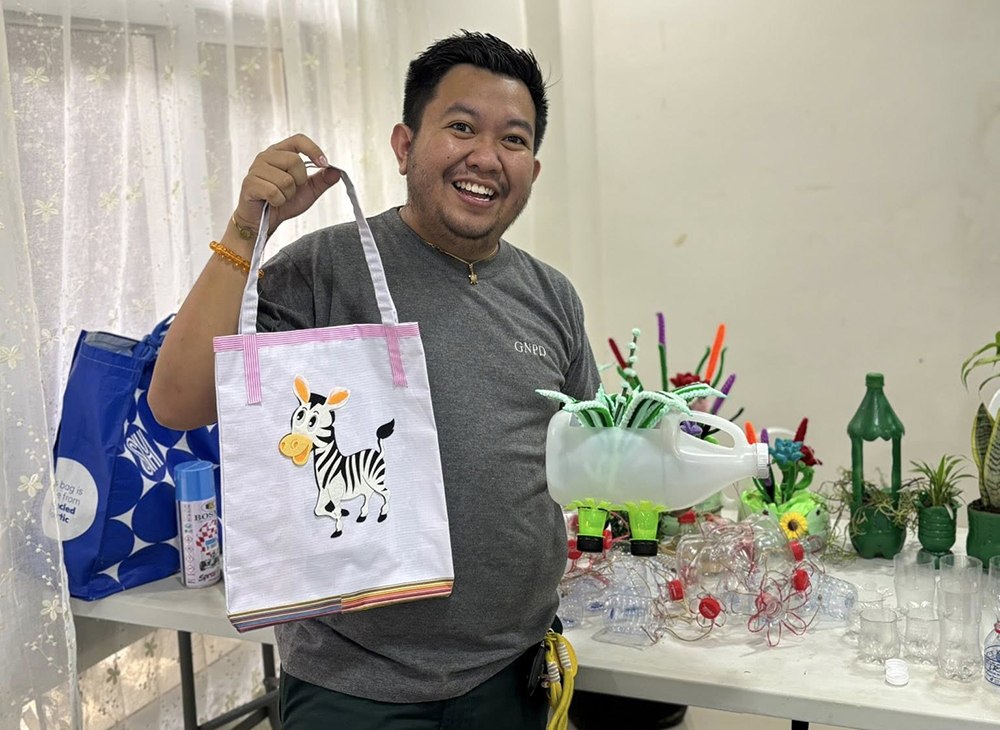
In celebration of Earth Day 2025    Subic Bay Freeport–The Subic Bay Metropolitan Authority (SBMA) is holding the 16th Recyclables Collection Event (RCE) in time for the celebration of Earth Day 2025 from April 21 to 25, 2025. This year’s theme, “Our Power, Our Planet,” the celebration is highlighted by the Communication Education and Public Awareness (CEPA) caravan, which aims to empower stakeholders. The caravan happens on April 22 and 24 at the Function Hall B of the Subic Bay Exhibition and Convention Center (SBECC), and will also feature the Health and Environment discussion led by PCOM-Olongapo virtually via Google Meet.   “As for the main event, the 16th Recyclables Collection Event, will be held at the Mini Golf Course area of the Subic Bay Freeport, where stakeholders can bring hazardous waste materials and recyclable materials to ensure their proper disposal,” SBMA Chairman and Administrator Eduardo Jose L. Aliño said. Also in line with the 16th RCE, sustainable products and technology exhibit, including the UBC Awareness and Collection Program led by GNS/ Tetra Pak Philippines, Bamboonihan and Green Foot Carbon Calculator by Banco Kalikasan, Wastewater/ Grease waste management by Soliman EcoWaste Management Corp., and PBC Waste Management by Innogy Solutions Inc., happens at the Promenade A of the Harbor Point Ayala Mall from April 21-23. The 16th RCE will have the Refill Revolution for a Cause at the Harbor Point Ayala Mall on April 21 and 23, and at the Ecology Center on April 24 and 25. “Our goal here is to reduce plastic pollution by reducing waste from single-use plastics. The proceeds from the donated recyclable materials collected will be doled out to the employees of Omniworx, the company tasked to clean and maintain SBMA buildings all over the Subic Bay Freeport,” Aliño said. He reiterated that these employees are “our partners in the segregation of wastes at source. They ensure that recyclables are properly segregated and turned over during the bi-annual RCE for proper disposal through our waste haulers.” Other activities include the Earth Day 2025 Community Cleanup, which will be held all over the Subic Bay Freeport Zone, and the Trash for Rice, a social development program of the Subic Bay Freeport Electronics Recycling Association. Earth Day 2025 is the Subic Bay Freeport Zone’s step towards its goal in the Race to Carbon Neutrality, making this premier Freeport into a carbon-neutral zone in the future,” Aliño said.

Scroll to Top