
Street Journal Multimedia Services

Environment

How AboitizPower Is Developing the Next Generation of Energy Leaders

Environment

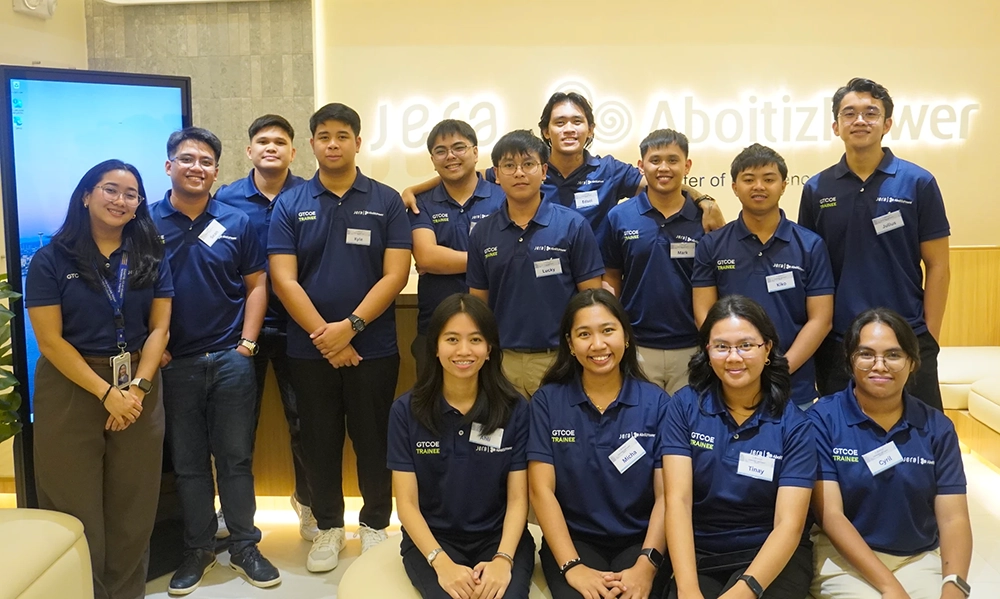
The Philippines is growing, and that growth needs power. As businesses expand, industries develop, and communities create new opportunities, the demand for reliable electricity grows with them. Building the country’s energy future takes more than infrastructure. Behind every power plant are people whose knowledge, skills, and experience keep those assets running. For AboitizPower, investing in the future of power therefore also means investing in the people behind it. This approach is reflected in the company’s continued investment in technical talent development, which includes its Cadetship Program and operationalizing the Global Technical Center of Excellence (GTCOE), a joint learning and development (L&D) hub between JERA and AboitizPower. Building the people behind the power The Cadetship Program gives engineering graduates a structured early career pathway into the power industry, combining technical training with hands-on experience at AboitizPower Transition Business Group’s (TBG) generation facilities. The program is open to engineering graduates across the country, including those from regional universities and partner schools, allowing TBG to widen the pool of talent it develops and create more opportunities in the regions where it operates. “The Cadetship Program is designed as one connected talent journey. We start by understanding the workforce capabilities our sites will need from our Human Resource Business Partners, then work with our Talent Attraction team to bring in the right talent and select candidates who can grow into those needs”, says Aldren Ribalde, Technical Academy Manager.  The latest batch of 12 engineering graduates will begin the six-month program on September 21, following a two-day face-to-face hiring event in Toledo City and Cebu City that drew 27 candidates from Mechanical, Chemical, Electrical, and Electronics Engineering backgrounds. “Investing in people means creating opportunities for talent wherever it can be found. We want to reach engineers from regional universities and partner schools, develop their capabilities, and give them a pathway to build careers in the power industry,” said Melissa Dizon, Talent Attraction Manager at AboitizPower. “As our operations continue to grow across different regions, we also want to continue growing the talent pool that can support them.” This approach is particularly relevant as AboitizPower continues to operate and grow across Luzon, Visayas, and Mindanao. Developing talent in these areas allows the company to build a pipeline closer to its generation facilities while giving young engineers opportunities to develop careers in the regions where they live and work. From opportunity to capability Creating opportunities is only one part of the investment. AboitizPower also puts significant emphasis on giving young engineers the technical foundation to succeed. The GTCOE serves as JERA and AboitizPower’s global technical L&D hub, bringing Filipino and Japanese engineers together to develop capabilities in power plant operations, maintenance, safety, and emerging energy technologies. As part of the Cadetship Program, cadets spend three weeks at GTCOE, learning alongside their JERA counterparts from Japan before moving into plant-specific training and on-the-job training in their respective sites. This experience gives them both a common technical foundation and exposure to different operating practices across AboitizPower and JERA. “We want our cadets to understand that becoming a power professional is not only about building technical competence. It is about developing the whole engineer—the mindset, discipline, ownership, and behaviors that enable them to apply what they know responsibly and effectively,” said Engr. Mayshelle Rosario, GTCOE Director. “GTCOE provides the common foundation, but the real development happens as they bring that learning into the workplace, learn from actual operating conditions, and work alongside the people who keep our power facilities safe, reliable, and efficient.” Since September 2025, four GTCOE cohorts have produced 96 graduates from the Basic Operations and Maintenance Program, comprising 58 AboitizPower cadets and 38 JERA participants. More broadly, the center has provided training and capability development to approximately 2,000 AboitizPower and JERA participants since its launch. An investment that grows with the business As the company continues to grow across the country, it also continues to build the talent pipeline that will support its operations, drawing from a wider pool of engineers, developing their capabilities, and eventually deploying them where they are needed. The investment is ultimately about more than filling positions. It is about creating pathways for people to learn, grow, and build careers alongside the business, while developing the capabilities needed to sustain the assets that power communities and industries.        
AboitizPower lauded for exemplary contribution to ASEAN energy sector

Environment

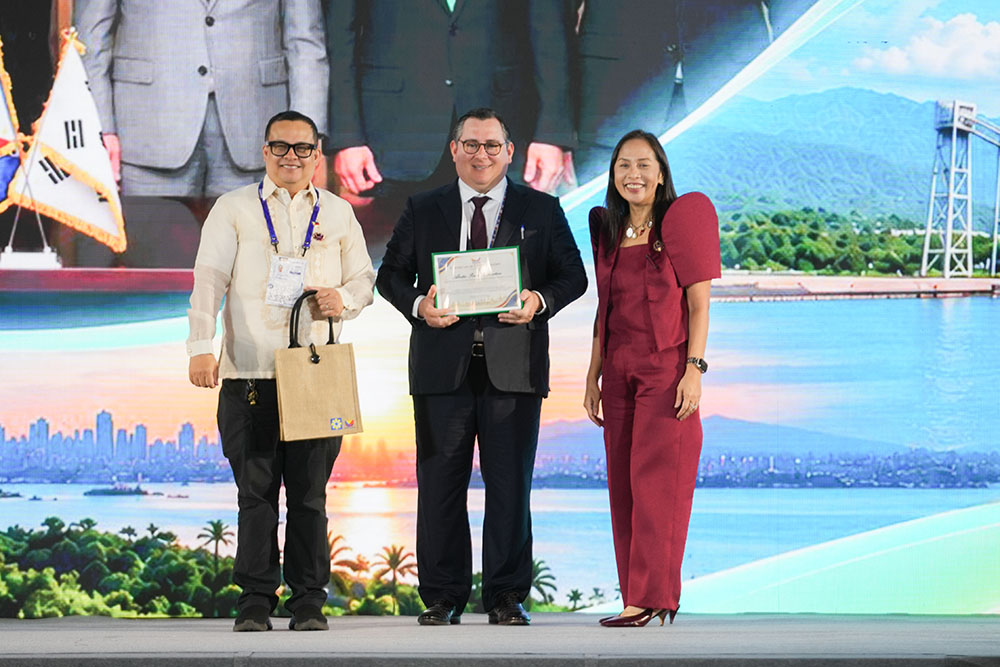
Aboitiz Power Corporation (AboitizPower) was among the organizations commended by the Association of Southeast Asian Nations (ASEAN) for its exemplary contribution to the region’s energy sector, particularly on its cooperation on nuclear energy technologies, information sharing, and capacity building. To recall, AboitizPower signed a Memorandum of Understanding with Korea Hydro & Nuclear Power Co., Ltd. in Gyeongju, South Korea last July to explore the potential applicability of nuclear energy technologies in the Philippines, including conducting joint pre-feasibility studies. AboitizPower President and CEO Danel Aboitiz (pictured center) received the commendation during the 44th ASEAN Ministers on Energy Meeting (AMEM) at the Philippine International Convention Center in Pasay City, Metro Manila. The AMEM gathers ASEAN energy leaders, industry representatives, and key stakeholders for high-level discussions, knowledge exchange, and regional collaboration.    

Batangas backs Taal Volcano Protected Landscape UNESCO Heritage Site bid

Environment

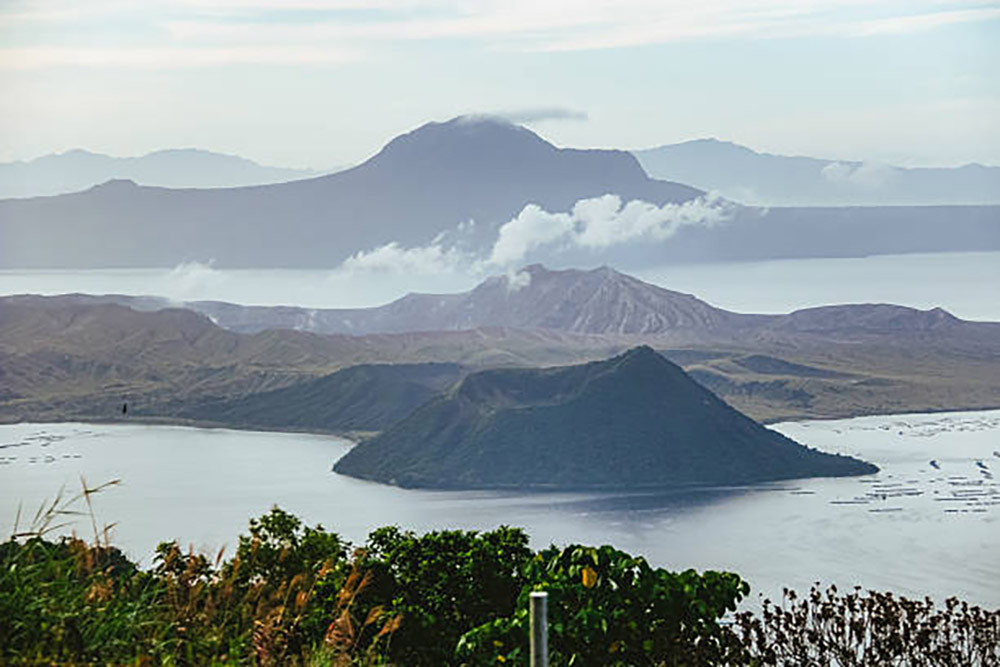
By Bhaby De Castro   BATANGAS CITY, Philippines — Members of the Protected Area Management Board–Taal Volcano Protected Landscape (PAMB-TVPL) expressed full support for the nomination of the Taal Volcano Protected Landscape (TVPL) as a UNESCO Heritage Site during a meeting held on September 30 in Balete, Batangas. During the meeting, Provincial Administrator Atty. Joel Montealto urged all PAMB members to support the passage of resolutions related to the TVPL’s nomination. He said the provincial government, under the leadership of Batangas Governor Vilma Santos-Recto, aims to advance the recognition of the TVPL as a site of global heritage significance. UNESCO National Commission of the Philippines (UNACOM) Secretary General Ivan Anthony Henares explained that the province has already submitted its application for the nomination. He also discussed the UNESCO evaluation process and the importance of such recognition in strengthening the continued protection and sustainable management of the protected landscape. UNESCO is expected to issue initial feedback on November 13, 2026. According to Henares, designation as a UNESCO Heritage Site would provide stronger protection and conservation measures, more appropriate management, and greater recognition of the Taal Volcano Protected Landscape’s significance at the national and international levels. In support of the nomination, the PAMB-TVPL unanimously passed a resolution to be submitted to the Department of Environment and Natural Resources (DENR) CALABARZON for appropriate approval and signature by Regional Executive Director Henry Adornado. The board also approved several projects proposed by local government units within the TVPL and the necessary resolutions for their implementation. Meanwhile, the meeting also tackled law enforcement and fisheries concerns in Taal Lake. These included PAMB Resolution No. 37, which calls on the Batangas Provincial Government to reestablish the Law Enforcement Committee or Task Force Taal Lake to oversee the removal of excess, illegal, and unauthorized fish cages and other structures within the lake’s aquaculture zones. Protected Area Superintendent Joseph Pusancho said the PAMB is still awaiting the provincial government’s response to the request. The board also passed another resolution urging law enforcement agencies to strengthen the enforcement of environmental laws, including the removal of abandoned and disused fish cages in the lake. Through these measures, concerned agencies and the provincial government continue to advance the protection and conservation of the Taal Volcano Protected Landscape as efforts are pursued to have it recognized as one of the world’s important heritage sites. (MPDC-PIA Batangas)              

Study finds sharp heat increase in Baguio’s built-up areas

Baguio City, Environment

BAGUIO CITY, Philippines — The Summer Capital has experienced a significant increase in surface heat, particularly in built-up areas, according to findings from Project GUHEAT (Geospatial Assessment and Modelling of Urban Heat Islands in Philippine Cities), a study led by Dr. Nathaniel Lubrica of the University of the Cordilleras (UC). The study found that land surface temperature hotspots in the city’s Central Business District (CBD) expanded from 43.38 hectares in 1989 to 82.82 hectares in 2011, before expanding further to about 305 hectares between 2014 and 2019. UC Geographic Information System (GIS) coordinator Josh Gabriel Roldan explained that most of the identified hotspots were located in built-up areas, where buildings, roads, and other structures absorb and retain heat. Measures such as increasing tree cover and gardens in hotspot areas, as well as using heat-reflective paints and wall coverings, can help reduce the amount of heat absorbed by structures, he said. For households, Roldan encouraged the use of light-colored roofing materials, which can reflect more sunlight compared to darker surfaces and noted that increased dependence on air conditioning may also contribute to outdoor heat as cooling systems release heat into the surrounding environment. The findings provide additional data for Baguio’s continuing efforts toward environmental protection and climate resilience as the city balances urban development with the need to maintain green spaces and address environmental risks. Under the Baguio Environment Code, or City Ordinance No. 18, Series of 2016, the City Environment and Parks Management Office (CEPMO) under Rhenan Diwas is tasked with responsibilities related to climate change adaptation and mitigation, including the protection and preservation of tree parks and greenbelts. The city has also formulated its Local Climate Change Adaptation Plan for 2020 to 2030, which works alongside other development, land-use, and disaster risk reduction plans. These existing measures provide a government framework relevant to GUHEAT’s recommendations on increasing urban greenery and reducing heat-absorbing surfaces in identified hotspot areas as Baguio continues to develop. -(By Allan Roy Canilang, UP-Baguio Intern/gabykeith)  

Solviva welcomes DOE eased installation rules as it plans solar expansion outside Metro Manila

Environment

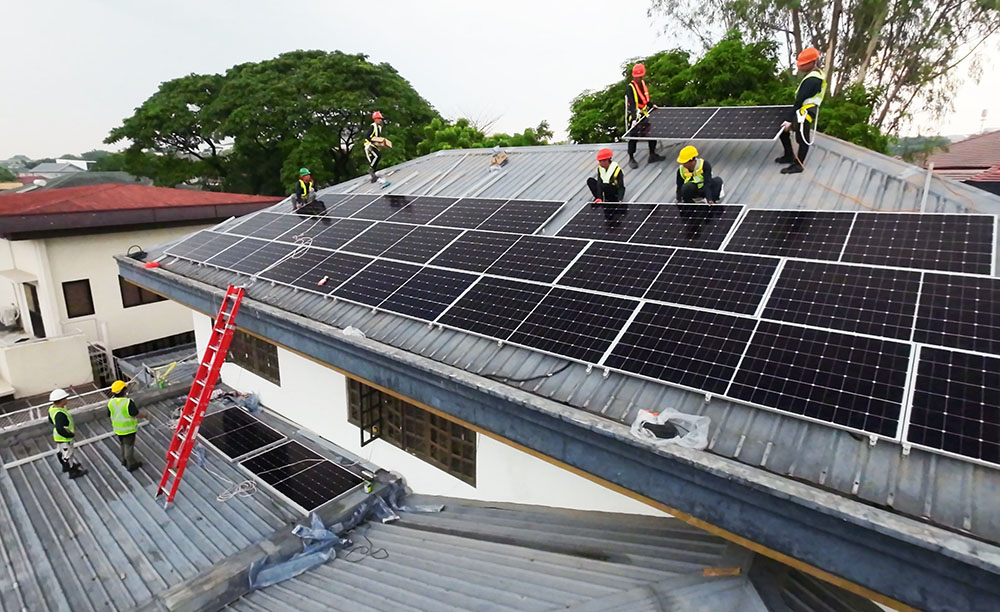
Solviva Energy, a residential solar startup backed by Aboitiz Power Corporation (AboitizPower), plans to expand its market within and beyond the Greater Manila area as demand for rooftop solar continues to increase and amid the implementation of new rules to simplify the installation process. “Over the last couple of years, we’ve been in a testing phase. Now the goal is to expand in the smartest way that we can,” said Solviva Energy CEO Coby Cobankiat. “We intend to be available in more cities and offer more products for more households.” “What changed this year was the conflict in the Middle East, which has disrupted shipping routes and global energy markets, causing price volatility. That has been the tipping point for us. Instead of us trying to force demand for rooftop solar, they’re coming to us,” he added. In August, the Department of Energy also released Department Circular No. DC2026-08-0017, which intends to ease rules on installing solar energy systems in residential homes, medical facilities, and small businesses. “In general, the current environment is geared towards setting the type of policies that can accelerate adoption even further,” Cobankiat said. “Today, there’s a lot of focus on trying to set compliant systems. We’re very excited to see what comes out of that. In the long-run that will support the industry.” From March to August 2026, inquiries about Solviva’s residential solar packages rose by 272% compared to the same period last year. Following installation, the company observed a significant shift in their customer’s consumption patterns, resulting in higher overall electricity use. Cobankiat read this as a good sign, saying that residential solar is one of the ways to help customers use more energy, live a better quality of life, and be more productive. According to the World Bank Group, the Philippines has one of the lowest electric power consumption (in kWh) per capita in Southeast Asia. Unlike other providers that require an upfront lump sum, Solviva offers a zero-down payment and rent-to-own plan with fixed monthly installments of up to five years. Payment starts 30 days after the installation. “Hindi mo na kailangan mag-ipon para mag-tipid. You don’t have to save up for the system just to save even more. That’s why we wanted to address the barrier of upfront cost,” Cobankiat said. “The beauty of it is you can have solar panels on your roof, save for an entire month, and use those savings to help pay for your installment in Solviva.” Solviva’s package also includes end-to-end service, from site assessments to after-sales support, valid for the system’s operational life. “These big panels on your roof will last about 25 years. What you’re really looking for is a company that’s going to be around for the lifetime of the system,” Cobankiat explained. Solviva is under 1882 Energy Ventures, the startup and innovation arm of AboitizPower, serving as a direct-to-consumer bridge for clean energy solutions since 2023. “Utimately, the choice goes back to the customer. Our role is to make options clear, simple, and available,” he added. “Our focus really is on building that relationship and trust with the customer, and shifting the way that we sell to one that’s not just transactional but also one that’s relationship-driven.”      

Your SM Malls are Building Energy-Efficient Spaces for Customers and Communities

Environment

Decades before national mandate, SM has pursued energy efficiency aligned with its sustainability goals across its nationwide network of most-loved malls. “Under the SM Green Movement, responsible energy use is woven into the fabric of SM’s operations DNA,” said Engr. Junias M. Eusebio, SM Supermalls Vice President for Operations. “On top of the energy we utilize, efficiency is also implemented for the power we save to benefit the communities surrounding our business.” Built better for energy efficiency In line with SM’s ongoing portfolio transformation, energy efficient design, fixtures, and practices are being implemented in new malls and redevelopments. Natural lighting is maximized through mall skylights designed across mall spaces that receive the most sunlight. The upcoming SM Nuvali mall emerging in the south has the mall operator’s newest iteration of a skylight. It features a one-hectare indoor garden lit by natural lighting thanks to its innovative Ethylene Tetrafluoroethylene (ETFE) Roofing which allows sunlight to enter while dissipating heat. SM Malls are powered by the Sun SM City Cebu Renewable energy use has also been a standard set by SM early on, even before the implementation of Republic Act 11285 or the Energy Efficiency and Conservation Act in 2019. SM’s measured adoption of solar power started in the early 2010s with SM North EDSA as the very first mall equipped with solar panels. Since then, SM has not only set solar panel installations as a standard in new mall launches but has also expanded rooftop solar panel networks in existing malls nationwide. SMLanang Recently, SM has hit a new milestone for solar energy generated, growing its peak to 123 MWp—enough to power more than 11,400 households in one year. By the end of 2026, SM aims to hit its target of 140MWp enough to power almost 13,000 households. By easing pressure from the national power grid, SM’s increased reliance on renewable energy to power its malls diverts energy back to the essential services and households of its surrounding communities. SM City Bataan Free EV Charging Stations As part of its commitment to sustainable mobility, SM has rolled out EV charging stations across its mall network. First launched before electric vehicles became mainstream in the Philippines, the program has since expanded nationwide, helping make EV ownership more convenient, easing range anxiety, and contributing to greenhouse gas reduction efforts. Now, 100% of SM’s malls have EV Charging stations that can be used free of charge for up to three hours. 167 stations across 90 malls help elevate the mall-going experience of Filipinos while lowering the barrier of entry for EVs to be further adopted in the local market. “With these efforts, SM expands its spaces beyond retail while reaffirming its commitment to social equity to benefit customers and positively impact its surrounding communities,” said Eusebio.

Bringing Light to a Higaonon Community in Nasipit

Environment

Nasipit, Agusan del Norte, Philippines – For years, the faint glow of kerosene lamps and improvised battery-powered lighting was part of the everyday life of Sitios Baboybaboy and Mangumihay in Barangay Camagong, Nasipit, Agusan del Sur. For children studying in these remote communities, the lack of reliable electricity meant that the classroom was severely limited. Reaching the two sitios from Nasipit’s poblacion takes about an hour to reach on a skylab, commonly known as a habal-habal, and required passage through areas that lacked roads. The journey is a reminder of just how far these communities are from the services and opportunities that many take for granted. Here, families have learned to make do with what they have. Children walk long distances to school, some crossing rivers along the way, while teachers find ways to make learning possible despite limited access to electricity, the internet, and educational resources. Yet the desire to learn has never been limited by distance. Every day, learners of Baboybaboy and Mangumihay Elementary School make the journey to class, carrying with them an aspiration: to learn something new and build a better future for themselves and their families. For 31-year-old Jimboy Mandolihay, that journey is deeply personal. A native of the Higaonon tribe, he always sought to help not just his family, but also the entire community. “Kinaraan among ginagamit magtuon kaniadto ug karon sama sa chalk, blackboard, ug mga libro. Sauna mobaba pami aron maka connect sa Wifi kay wala man kuryente diri. Wala sad mi magamit pang record sa among tradisyon, mga pagtulun-an sa among mga katigulangan,” Jimboy shared. (Before, we relied on basic tools like chalk, blackboards, and books for our lessons. We had to go down to the town just to access the internet because there was no electricity in our community. We also had no way of recording and preserving our culture and the knowledge shared by our elders). Rather than discouraging him, these hardships motivated Jimboy to persevere and finish his education. Today, the licensed teacher serves the same community where he once studied, helping shape the aspirations of a new generation of learners. Yet while his journey reflects perseverance, he knows today’s students deserve opportunities that were unavailable to him growing up. That hope is beginning to take shape through AuroraPH, Aboitiz Foundation’s flagship education and connectivity initiative that aims to support 300 off-grid, last-mile schools across the Philippines with solar power, internet systems, digital learning tools, and capacity building. It helps bridge the educational and digital divide in the Philippines. Inspired by the Aurora Borealis, AuroraPH unites the strengths of various partners to bring light and opportunity to remote communities. Like the natural phenomenon that lights up the sky, the project seeks to illuminate possibilities that may have once seemed out of reach. “This school is really one of the farthest schools in the province. Around 90% of the inhabitants here are really IPs (indigenous peoples) belonging to the Higaonon Tribe,” explained Agusan del Norte Governor Angelica Rosedell Amante. “The impact of this is we are giving equal opportunities to the children living in far-flung areas to be able to receive the same kind of education that those students in the town proper are getting. This is already a technology-driven era, so they will not be left behind.” Satellite internet connectivity was facilitated by AboitizPower subsidiary Therma Marine, Inc. (TMI) and Aboitiz Foundation, allowing learners and teachers to browse the internet and do research. At the same time, a 5.49-kWp solar power system was provided by Aboitiz Construction Inc., while digital learning tools for the classroom were given by the local government and other private sector stakeholders. For Jimboy, the value of these changes is ultimately measured not by the equipment installed, but by what his students might be able to do with them.  “Unta pinaagi niini mas daghan pang malicense teacher sama nako o bisan unsa paman nga pangandoy sakong isig ka komunidad,” he said. (We hope that through these opportunities, more people from our community will achieve their dreams, whether becoming teachers like me or pursuing whatever goals they have in life). As the communities of Baboybaboy and Mangumihay can attest, energy means students gaining access to new knowledge, teachers connecting to wider resources, and families seeing new possibilities for the future. Through AuroraPH, these opportunities are able to take shape. “This is more than just providing electricity and internet access. We hope it inspires the community to discover new possibilities, from learning and skills development to livelihood opportunities, that can help create a brighter future for everyone,” said TMI Sr. Manager for Operations and Maintenance Jerome Luchavez. As access expands, so does the community’s ability to connect with the wider world. The introduction of new energy and connectivity solutions also supports broader efforts to strengthen inclusion, access to services and community development in geographically isolated areas. “Through public-private partnerships like AuroraPH, we are bringing together resources, expertise, and a shared vision to create meaningful opportunities for our people, especially in the Geographically Isolated and Disadvantaged Areas (GIDA) barangays,” Governor Amante said. “By working hand in hand, we are not only addressing today’s needs but also leading and guiding our communities toward sustainable progress and a better future.”                      

NIA’s solar-powered pumps to enhance farmers’ resilience amid El Niño

Environment

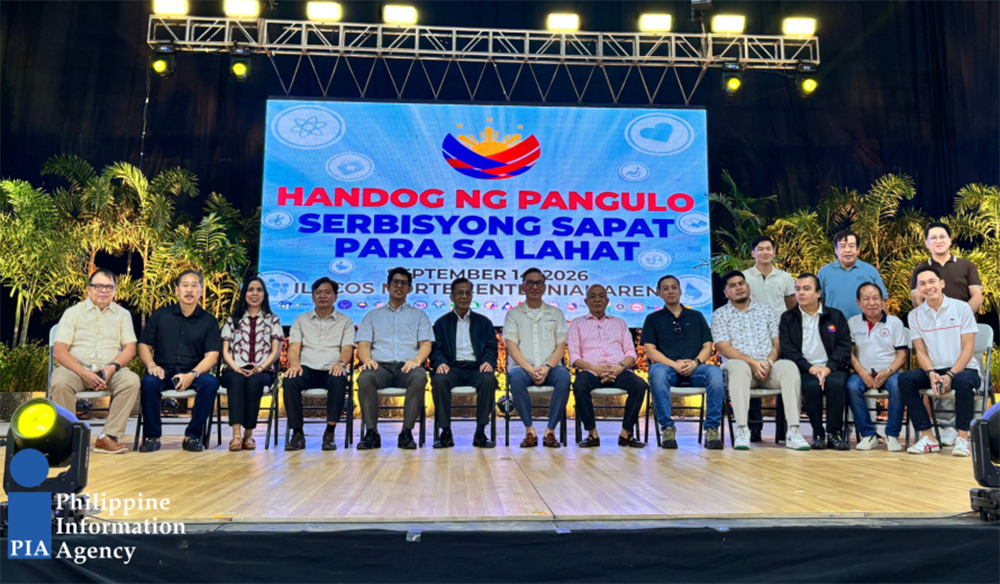
By Caren Grace R. Cabanayan-Carbonell   LAOAG CITY, Ilocos Norte, Philippines — The National Irrigation Administration (NIA) provided additional support for agricultural production, maintaining water access amid the possible impacts of El Niño by distributing solar-powered water pumps to irrigators’ associations in Ilocos Norte during the Handog ng Pangulo (HNP) event on Sept. 14. NIA provided one 7.5-horsepower stand-alone solar-powered pump worth P3.6 million and two two-horsepower mobile solar-powered pumps worth P1.1 million to two irrigators’ groups in the province. Erick Gibot, president of the Bangui Abagat Irrigators Service Association Inc. and one of the recipients of the mobile solar-powered pumps, said the equipment is beneficial, especially for farmers engaged in upland farming. “We are deeply grateful for this irrigation support, it will help our association with 40 members, especially those in the upland,” Gibot said. Five other irrigators’ associations in the province also received various units of diesel water pumps with complete accessories. Providing this irrigation support is a proactive measure to enhance farmers’ resilience during the dry spell as agriculture remains a major industry in Ilocos Norte, NIA said. Solar equipment can support local farmers’ irrigation activities while reducing operational costs by lessening dependence on fuel-powered equipment. The Philippine Atmospheric, Geophysical, and Astronomical Services Administration (PAGASA) recently advised the public about possible below-normal rainfall in the first half of 2027. NIA also distributed P9.18-million operations and maintenance incentives among 180 irrigators’ associations, underscoring the vital role of the latter in the proper maintenance of existing irrigation systems. Through continued irrigation support from the government and the cooperation of local farmers, Ilocos Norte can manage the possible effects of El Niño and sustain its food production. The awarding of said assistance and equipment was held during the HNP program, as part of the birthday celebration of President Ferdinand Marcos Jr., which aims to bring government services, projects, and programs closer to the people. (CCMT/CGRCC, PIA Region 1)                    

KBP Baguio-Benguet and Partners Extend 16-Year Reforestation Legacy in Baguio

Environment

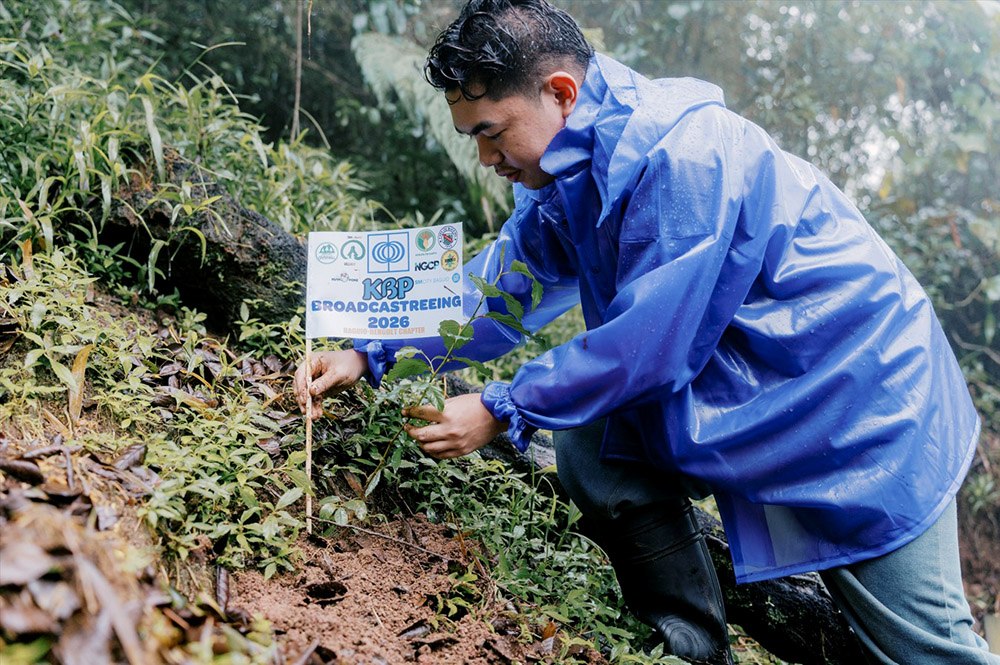
  BAGUIO CITY, Philippines – Since 2011, the Kapisanan ng mga Brodkaster ng Pilipinas (KBP) Baguio-Benguet Chapter has been part of Broadcastreeing, a nationwide environmental initiative launched by the KBP National together with its regional chapters to encourage members of the broadcast industry, communities, and partners to come together for tree planting activities in areas where they are needed. Over the years, Broadcastreeing has helped plant approximately 150,000 trees across the Philippines. In Baguio and Benguet, the initiative has become an annual tradition, with all 14 radio and television stations taking part in the activity. This year, the group gathered at the Tam-awan vicinity area on August 29 to continue the tradition, with around 45 to 50 participants from different broadcast networks, partner organizations, and supporting groups coming together to plant 200 pine tree saplings. The activity was originally scheduled for August 15 but was moved due to inclement weather. The activity was conducted in partnership with Tam-awan Village and with the support of the Department of Environment and Natural Resources (DENR), 911 group, Philippine Red Cross, National Grid Corporation of the Philippines (NGCP), Benguet Electric Cooperative (BENECO), and long-time partner and sponsor SM City Baguio. “Every year we have different partners, and we are very thankful that one of our longest-standing partners here in Baguio is SM City Baguio. Kapag humihingi kami ng suporta for causes that help care for the environment, nandiyan po ang SM City Baguio,” said Erickson Ferrer, KBP Baguio-Benguet Chapter Ex Officio Chairman. The partnership reflects how environmental efforts can become more meaningful when different sectors come together. For KBP, the support of its partners helps make it possible to continue an initiative that has been part of its local chapter’s story. “This is a nationwide activity of the Kapisanan ng mga Brodkaster ng Pilipinas, which is why we are taking care and nurturing Mother Nature,” said Rene Sales, Chairman of the KBP Baguio-Benguet Chapter. “With global warming and climate change, that is why we really decided to continue this every year.” Sales also emphasized that the work does not end once the saplings are planted. For the chapter, an important measure of the initiative’s success is seeing the trees survive, grow, and eventually become part of the landscape. This is also where long-term care becomes important. Planting a tree may take only a day, but helping it grow requires continued attention. For eight years, SM City Baguio has been a partner of KBP Baguio-Benguet in the annual Broadcastreeing initiative, supporting its efforts to care for Baguio’s natural environment. The partnership complements the mall’s own continuing tree-planting efforts, which have reached a total of 596,055 trees planted and donated as of June 2026. Beyond planting, SM City Baguio also gives continued care to the trees planted through its own initiatives, with a three-year monitoring and maintenance period to help ensure that the saplings take root and grow. For SM City Baguio, partnerships such as Broadcastreeing offer an opportunity to work alongside organizations that share the same desire to give back to the community and protect the environment that makes Baguio unique. Held at the Tam-awan vicinity area, this year’s Broadcastreeing activity brought together members of the broadcast community, government agencies, civic organizations, and private sector partners in one shared effort to care for Baguio’s natural surroundings. For the KBP Baguio-Benguet Chapter and its partners, the 150 pine saplings and alnos tree planted at Tam-awan are a reminder that caring for the environment is a continuing responsibility. As the young trees take root and grow, they become part of a larger effort to help protect the land, strengthen communities, and preserve the green character of Baguio. With 16 years of Broadcastreeing behind them, KBP Baguio-Benguet and its partners hope to keep the tradition growing, one planting activity and one partnership at a time.  

Scroll to Top