


By Mary Therese D. Ancheta
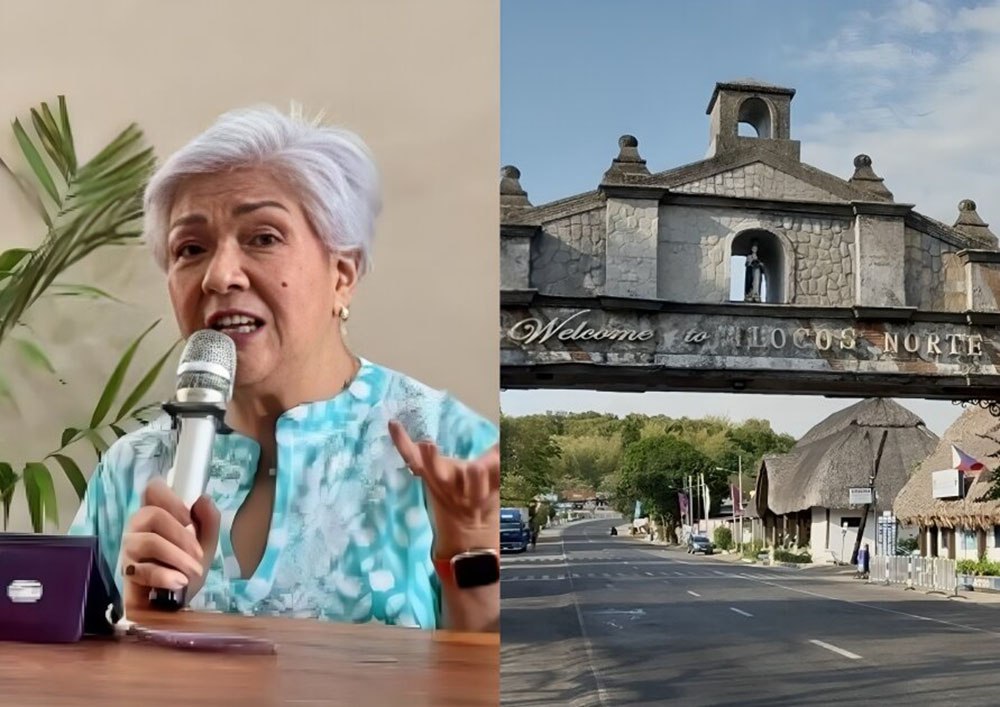
LAOAG CITY, Ilocos Norte, Philippines (PIA) — The Provincial Government of Ilocos Norte is expanding its tourism recovery initiatives by enhancing travel incentives ahead of the summer peak season, aiming to sustain visitor arrivals and support local livelihoods amid rising transportation costs.
To respond to increasing travel expenses driven by global economic pressures, the provincial government earlier launched a free ride initiative in April.
The program was designed to ease transportation costs and improve mobility for tourists exploring destinations across Ilocos Norte.
The initiative forms part of the province’s efforts to make travel more accessible, particularly for budget-conscious visitors and commuters affected by higher transport fares.
Building on the initial rollout, the Ilocos Norte Tourism Office is preparing to expand its Travel Incentive Program into a two-way travel incentive scheme.
The enhanced program will introduce subsidized routes to improve connectivity among key tourism sites and encourage wider visitor movement across the province.
Governor Cecilia Araneta-Marcos said the province continues to adopt adaptive strategies to sustain tourism growth despite external economic pressures.
She emphasized the importance of proactive governance in ensuring that tourism remains resilient and accessible.
Preliminary tourism data show steady visitor arrivals in northern municipalities, while some urban and commercial centers continue to experience lower tourist traffic.
The expanded incentive scheme aims to address this imbalance by encouraging tourists to explore a broader range of destinations, helping distribute economic activity more evenly across the province.
The provincial government said the program is part of a broader strategy to strengthen tourism resilience and sustain economic activity during the peak summer season.
By improving accessibility and visitor flow, the initiative is expected to benefit tourism-dependent communities, including micro, small, and medium enterprises (MSMEs) engaged in hospitality, transport, and local trade.
Visitors have welcomed the initiative, citing improved affordability and convenience.
A tourist from Mountain Province, Angeline Kafuyao, said the program encourages repeat visits due to reduced travel costs and improved accessibility.
“These kinds of programs are really a big help for tourists. We’re more encouraged to visit again because travel to Ilocos Norte has become more affordable and convenient despite the crisis,” she said.
With these expanded measures, Ilocos Norte aims to position itself as a model for adaptive provincial tourism governance, ensuring that destinations remain accessible, economically active, and visitor-friendly even amid ongoing global challenges. (AMB/MTDA, PIA Ilocos Norte)