


By Christian Allister G. Tubadeza
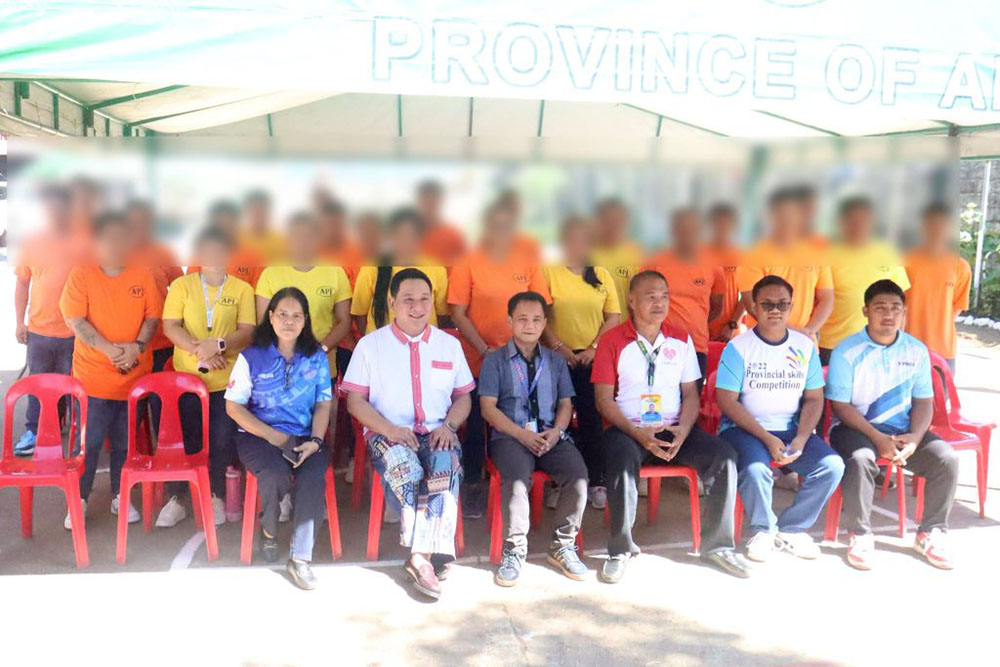
BANGUED, Abra, Philippines — Twenty-five Persons Deprived of Liberty (PDLs) at the Abra Provincial Jail will soon be equipped with practical livelihood skills through a two-day community-based training on bread and pastry production conducted by the Technical Education and Skills Development Authority (TESDA) in partnership with the Provincial Government of Abra.
The training provides the participating PDLs with basic knowledge and hands-on skills in bread and pastry production, which they may use to pursue livelihood and employment opportunities upon their eventual return to the community.
TESDA Abra Provincial Director Belmar Angoling said the PDLs are among the special beneficiaries of TESDA’s training programs, emphasizing the role of skills development in preparing them for their eventual return to mainstream society.
“We are so happy that you are included among the special beneficiaries of TESDA Training Programs since our intention here is to prepare you when you return to mainstream society. One of the important opportunities that TESDA provides for you is through community-based training,” he said.
The initiative forms part of the government’s continuing efforts to make skills development accessible to PDLs, recognizing the importance of providing them with opportunities to acquire competencies that can support their rehabilitation and reintegration.
Representing Governor Eustaquio Takit Bersamin, Provincial Information Officer Atty. King Blas Pagtailan underscored that the training goes beyond teaching participants how to bake, emphasizing the potential of newly acquired skills to become a source of livelihood and personal independence.
“Ang pagkakaroon ng bagong kasanayan ay hindi lamang tungkol sa pag-aaral sa paggawa ng tinapay. It is about gaining a skill that will eventually become a source of your livelihood, independence and dignity,” he said.
The partnership between TESDA and the provincial government highlights the importance of collaboration among government agencies in providing interventions that address not only the immediate needs of PDLs but also their preparation for life beyond incarceration.
Through skills development programs such as community-based training, the government seeks to help PDLs build practical competencies, regain confidence, and prepare for a more productive life as they eventually return to their families and communities. (JDP/CAGT – PIA CAR, Abra)