


By Rod Asurin
KALINGA, Philippines — The National Irrigation Administration (NIA)-Kalinga is strengthening water management and irrigation interventions to protect agricultural production in the Upper Chico River Irrigation System (UCRIS) as the ongoing El Niño intensifies.
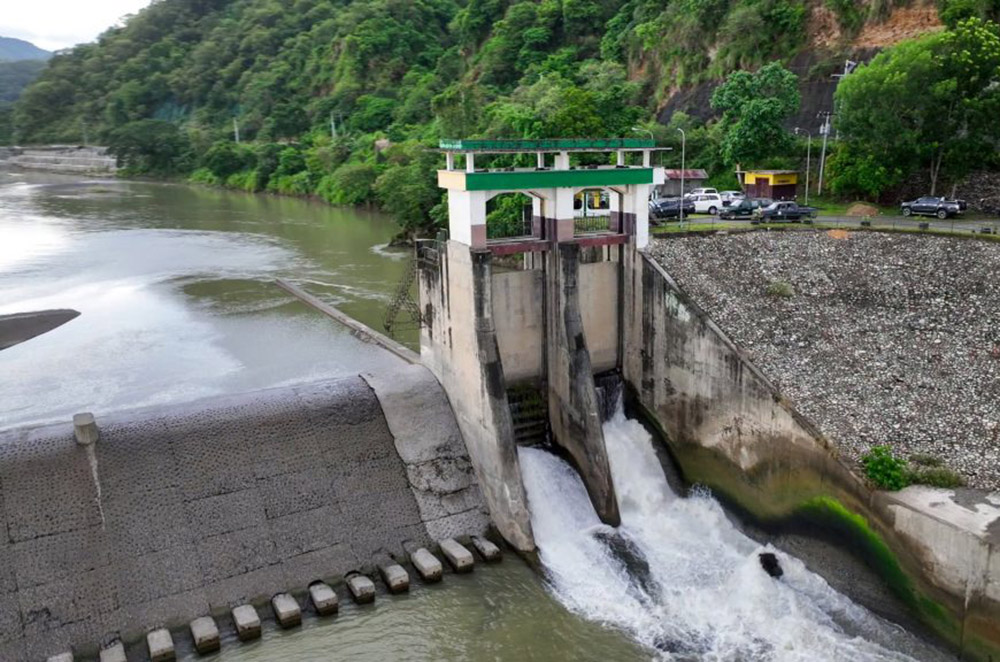
Engr. Ferdinand Indammog, manager of the NIA-Kalinga Irrigation Management Unit (IMU), said on October 20, 2026, that water discharge from the Chico River to the Mani River remains sufficient to sustain crops in the UCRIS service area.
“Dito po sa Kalinga IMU, partikular sa Upper Chico Irrigation System natin, ang source po ng ating patubig ay sufficient pa naman, kaya kung magpapatuloy ang ganitong daloy, hindi maaapektuhan ang ating mga pananim,” sabi ni Indammog.
To prepare for possible water shortages amid the forecasted strong-to very-strong El Niño toward the end of the year and into the first months of 2027, NIA-Kalinga is maximizing the use of solar-powered irrigation pumps completed in 2024 and 2025 while planning to implement additional program units earlier to help farmers during the first quarter of next year.
Indammog said the agency will also continue implementing Alternate Wetting and Drying (AWD), a water-saving technology that allows rice fields to undergo controlled drying periods instead of continuous flooding.
He added that NIA is ready to implement rotational irrigation if water levels decline and will utilize equipment provided under President Ferdinand R. Marcos Jr.’s administration to sustain canal clearing and maintenance.
Meanwhile, various Irrigators Associations (IAs) under UCRIS in Kalinga and Isabela continue clearing and maintaining canals in their respective service areas, in line with their responsibilities under the Irrigation Management Transfer Contract.
These activities help maintain unobstructed water flow and efficient irrigation distribution while promoting responsible water use among farmers.
The efforts complement NIA’s interventions by strengthening farmers’ participation in irrigation management and helping minimize the potential effects of water scarcity on agricultural production.
In its October 21 update, PAGASA reported a strong to very strong El Niño in the tropical Pacific, with most climate models indicating it will peak before the end of 2026 and bring possible impacts through the first half of 2027.
NIA-Kalinga’s measures align with President “Bongbong” Marcos Jr.’s directive to ensure the continued delivery of irrigation services and help farmers maintain agricultural production amid the prevailing climate threat. (JDP/RGA-PIA CAR with reports from Radyo Pilipinas-Tabuk and NIA-Cordillera)