


By Aileen P. Refuerzo
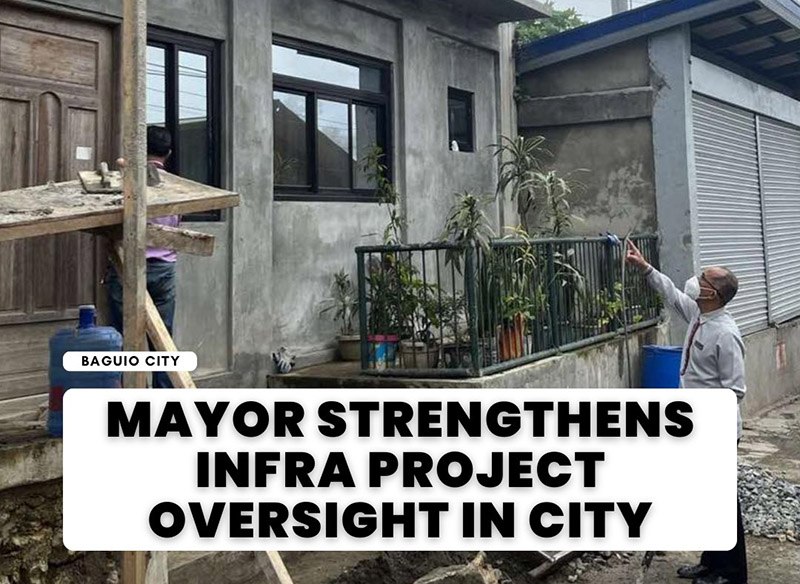
BAGUIO CITY, Phlippines — Mayor Benjamin Magalong has set up a mechanism to strengthen project oversight and address delays and other problems hampering the implementation and completion of locally funded infrastructure projects in the city.
In Executive Order No. 90-2025 dated July 28, 2025, the mayor created the Lifecycle Infrastructure Committee (LIC), a body tasked with ensuring transparency, accountability and resilience in the city’s infrastructure projects.
The new committee is part of the city’s commitment to the Build Better More Program and the Philippine Development Plan (PDP) 2023–2028, both of which emphasize anti-corruption safeguards and improved monitoring systems for government projects, according to the mayor.
“The LIC will serve as the city’s oversight body for infrastructure, from planning to post-evaluation, ensuring that projects are not only completed but are also sustainable and responsive to community needs,” Magalong said.
The LIC will be chaired by City Administrator Vittorio Jerico Cawis with City Disaster Risk Reduction Management Officer Engr. Charles Bryan Carame as Vice Chair and City Budget Officer Leticia Clemente, City Engineer Richard Lardizabal, City Building Official Johnny Degay, City Environment and Parks Management Officer Rhenan Diwas, City Planning and Development Coordinator Donna Tabangin and City Accountant Freda Jimenez as members.
The LIC will take on the following key tasks:
- Oversee governance throughout the project life cycle — from conception and feasibility to construction and rehabilitation.
- Screen and prioritize infrastructure projects funded by the city’s 20 percent Local Development Fund (LDF), using criteria such as social impact, climate resilience, economic return, and gender responsiveness.
- Issue readiness certifications to ensure projects have completed feasibility studies, engineering designs, and necessary clearances before procurement.
- Monitor construction progress and resolve issues such as project delays, safety concerns, and utility conflicts.
- Conduct annual reviews of operations and maintenance, recommending budget adjustments or corrective measures to prolong facility life.
- Carry out post-project evaluations, including socioeconomic and climate-risk audits, to strengthen future planning.
- Facilitate stakeholder engagement by consulting with barangays, civil society organizations, utilities, and national agencies.
- Propose policy measures to institutionalize life-cycle infrastructure management and asset inventory.
Magalong emphasized that the LIC will streamline project implementation and safeguard public resources.
“Through this committee, we aim to strengthen transparency and accountability in infrastructure development, while ensuring that projects truly address the needs of our citizens,” he said.
“The creation of the LIC reflects Baguio’s continuing efforts to pursue sustainable urban growth, improve public service delivery, and enhance the quality of life for residents through well-planned and well-managed infrastructure investments,” he added.