


By Aila T. VIllanueva and Jade Merry Pambid
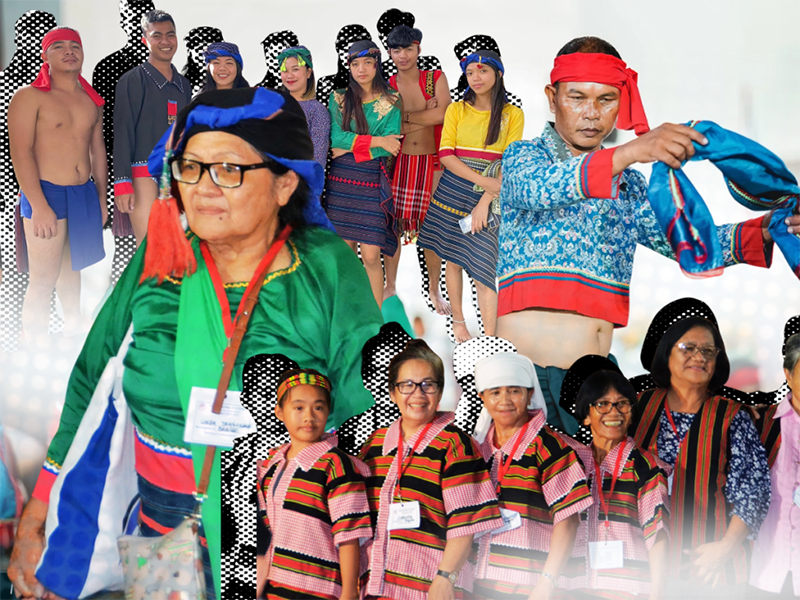
High up in the mountains and lush valleys of Ilocos Norte, a quiet revolution of heritage is unfolding—not through grand monuments, but through the enduring traditions, ancestral stewardship, and living histories of the province’s Indigenous Peoples.
As October brings the nationwide observance of Indigenous Peoples (IP) Month, the National Commission on Indigenous Peoples (NCIP) Ilocos Norte provincial office has stepped forward to spotlight the heartbeat of these vibrant communities.
Marking the anniversary of the historic Indigenous Peoples’ Rights Act (IPRA) of 1997—the landmark legislation that sought to correct historical injustices and secure ancestral domain rights—the agency is championing a renewed commitment to safeguarding indigenous rights across four foundational pillars: ancestral domains, self-governance, social justice, and cultural integrity.
The heart of Ilocos Norte’s indigenous identity lies in its living traditions. These span from the vast ancestral lands of Adams and Dumalneg, where the Yapayao people live, to the rugged hills of Carasi, home to the Isnag and Nueva Era, home to the Tingguian, alongside smaller communities in Pagudpud, Bangui, Vintar, Solsona, and Marcos, Ilocos Norte.
These communities share a holistic way of life bound by Indigenous Knowledge Systems and Practices (IKSP).
From sustainable farming techniques and generational rituals to sacred traditional attire and customary practices, these expressions represent community-owned heritage handed down through centuries.
Highlighting the vital need to protect these customs, Legal Officer, Lawyer Jifford Rosqueta explained the strict protocols required for researchers and creators during the Philippine Information Agency (PIA) Ilocos Norte’s radio program:
“Proponents, researchers, or content creators who wish to showcase the traditions, beliefs, customs, customary laws, or practices of a particular indigenous cultural community must present their proposal directly to them and obtain their written consent,” Rosqueta emphasized.
Protecting these traditions requires a collective shift in how external partners interact with indigenous culture.
During the same program, NCIP Provincial Head, Lawyer Jesus Agbayani emphasized that cultural items and rituals cannot be recorded or showcased without clear community consent and a formal certification. This strict process protects indigenous communities from cultural misappropriation, such as unauthorized commercialization or misrepresenting sacred traditional attire.
Fostering respect and breaking stereotypes
Agbayani urged the public to discard harmful misconceptions, emphasizing the deep dignity, intelligence, and respect that every indigenous cultural community deserves.
“Let us stop stereotyping indigenous people,” he said.
For non-indigenous citizens who wish to participate in cultural programs, showing true appreciation means acknowledging the rightful owners of the attire and never altering its traditional use.
“Our Indigenous Peoples are not ‘different’—they are unique. They have their own distinct culture and traditions. I think that is the best way to describe them so that non-IPs can give them genuine respect—true respect for the culture of our Indigenous Peoples, especially in our province,” Agbayani further emphasized.
Tangible government interventions
Beyond cultural preservation, the NCIP actively uplifts communities through tangible government initiatives.
These include enforcing Free, Prior and Informed Consent (FPIC) for land and development projects, offering dedicated legal assistance, supporting 62 student scholars through educational grants, issuing Certificates of Confirmation for employment or career waivers, and delivering grassroots socio-economic support such as cooperative organizing and potable water systems.
“NCIP will always be here to [guide and] protect your rights, especially on your problems with ancestral domains and ancestral lands. [If any issues arise later, NCIP is here to help and] assist you,” Agbayani assured.
Passing the torch to the next generation
As regional and provincial gatherings take place—including the Regional IP Summit in Pangasinan and Ilocos Norte’s provincial celebration—the province’s true strength remains anchored in its cultural roots.
Agbayani offered a heartfelt message in Ilokano to the younger generation, urging them to keep their ancestral heritage alive:
“Itultuloytayo koma nga iyistorya dagiti paka-istoryaan ti grupo tayo kadagiti sumarsaruno nga henerasyon,” Agbayani said.
(Let us continue telling the stories and history of our people to the generations that follow.)
In the indigenous communities of Ilocos Norte, preserving heritage is not about following trends or performing for an audience; it is about securing a proud, self-determined future while carrying forward the legacy of their ancestors. (CCMT/ATV/JMP, PIA Ilocos Norte)