


By Bhaby De Castro
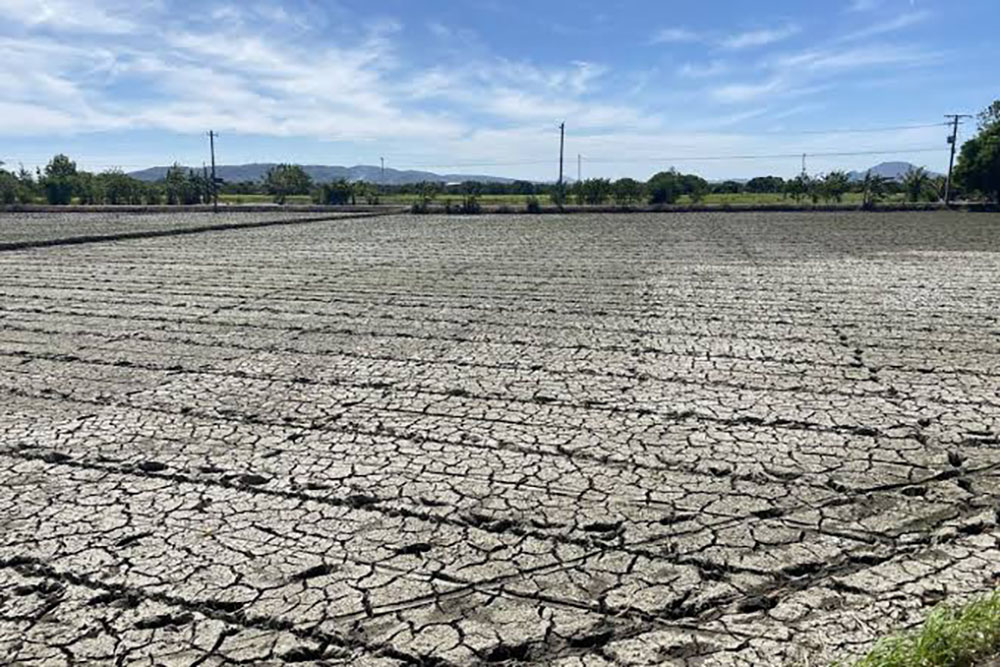
BATANGAS CITY, Philippines — The Batangas City government is implementing measures to mitigate the possible effects of the anticipated “Super El Niño,” which is expected to persist until February 2027.
According to City Environment and Natural Resources Officer (City ENRO) Oliver Gonzales, the local government unit has already drawn up plans for the construction and expansion of water storage facilities to ensure a continuous water supply for Batangueños during periods of severe drought.
The LGU has also launched an information and awareness campaign to inform the public about the necessary preparations and preventive measures against the possible effects of El Niño.
In addition, the City ENRO continues to conduct large-scale tree-planting activities to help keep the environment cool and mitigate the long-term effects of extreme heat.
Meanwhile, the local government will convene a meeting with concerned agencies to assess their preparedness and identify the necessary measures to address the anticipated effects of El Niño in the city.
Gonzales also advised residents to prepare for possible water shortages by storing sufficient water, particularly in areas with limited supplies. He encouraged the public to use water responsibly and avoid wastage.
He also recommended maintaining an adequate supply of food, such as rice and canned goods, but clarified that panic buying is unnecessary. He reminded the public to drink enough water to prevent dehydration and closely monitor family members with illnesses or comorbidities, as they are more vulnerable to extreme heat.
Earlier, the Sangguniang Panlungsod discussed the necessary preparations for El Niño, particularly in the areas of water supply, electricity, health, agriculture, and disaster response.
These preparations have been outlined amid forecasts of increasingly intense heat in the coming months. Gonzales said studies and observations indicate that extreme heat is expected to intensify in 2027.
He explained that the sea surface temperature was recorded at 30 degrees Celsius on October 1, which was higher than in previous years, when temperatures would gradually begin to cool during the “ber” months.
“The heat we are experiencing now has not yet reached its expected peak. Based on studies dating back to 1950, this is one of the extreme heat events expected to occur. It may also intensify the storms that will arrive before the end of the year, while the worst effects of the heat are expected to be felt by January 2027,” Gonzales said. (MPDC-PIA Batangas)